- Best for
- Puma tracking · Landscape photography · Patagonia
- Best months
- October to April for most Patagonia travel; May to September for specialist winter journeys with restricted services
- Ideal duration
- 10-14 nights across one or two regions
- Getting there
- Santiago, then domestic flights to regional gateways
Introducing Chile
A landscape with no need to perform.
Chile brings together patagonian steppe, temperate rainforest, andes, fjords, atacama desert, salt flats and pacific coast. Its wildlife context includes puma, guanaco, andean condor, huemul, fox, flamingo and marine mammals.
A strong journey begins with the governing landscape rather than a sighting promise. Chile's wildlife regions span thousands of kilometres. Seasonal park access, wind and domestic-flight schedules must shape the route. Use several nights per base and preserve weather buffers; Patagonia punishes itineraries built around daily relocation.
Field notes
Three ways to readChile.
A concise field guide to the landscape, its daily rhythm and the encounters that define it.
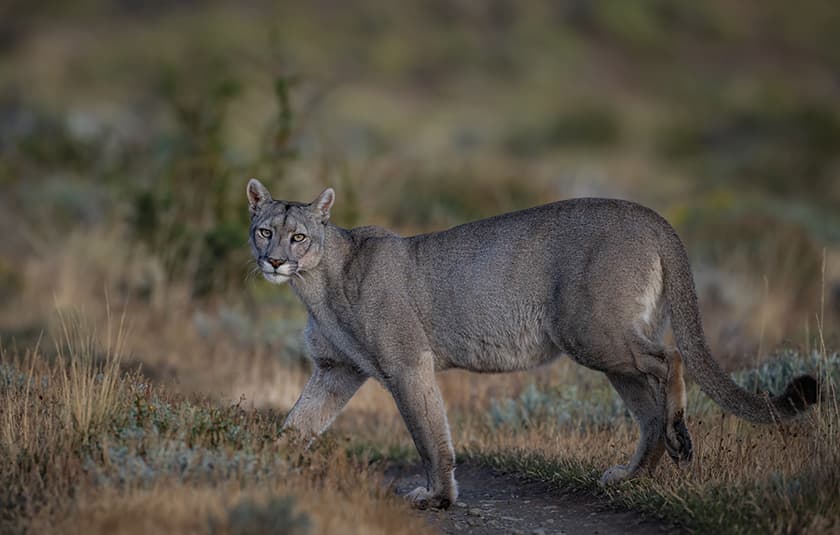
The landscape
Chile, read slowly.
Patagonian steppe, temperate rainforest, Andes, fjords, Atacama desert, salt flats and Pacific coast
Photo journal
Chile,in frames.
Open any photograph to explore the collection in full screen.
Your private journey
Make your own Chile plan.
Tell us what draws you here. We will shape the right season, access, pace and places into one coherent private journey.
Begin planningGood to know
Question, meet answer.
When is the best time to visit Chile?
October to April for most Patagonia travel; May to September for specialist winter journeys with restricted services. The final dates should follow the exact region, wildlife priority and access pattern.
How long should I stay in Chile?
10-14 nights across one or two regions. This protects useful field time and reduces avoidable transfers.
How do I reach Chile?
Santiago, then domestic flights to regional gateways. Chile's wildlife regions span thousands of kilometres. Seasonal park access, wind and domestic-flight schedules must shape the route.
What is the daily rhythm in Chile?
Use several nights per base and preserve weather buffers; Patagonia punishes itineraries built around daily relocation.
What should photographers know about Chile?
Wind, fast weather and enormous scale favour stable support, layered clothing and environmental wildlife images.
Keep exploring
Places in the sameconversation.
Extend the journey through landscapes that share a natural rhythm, wildlife story or sense of place.
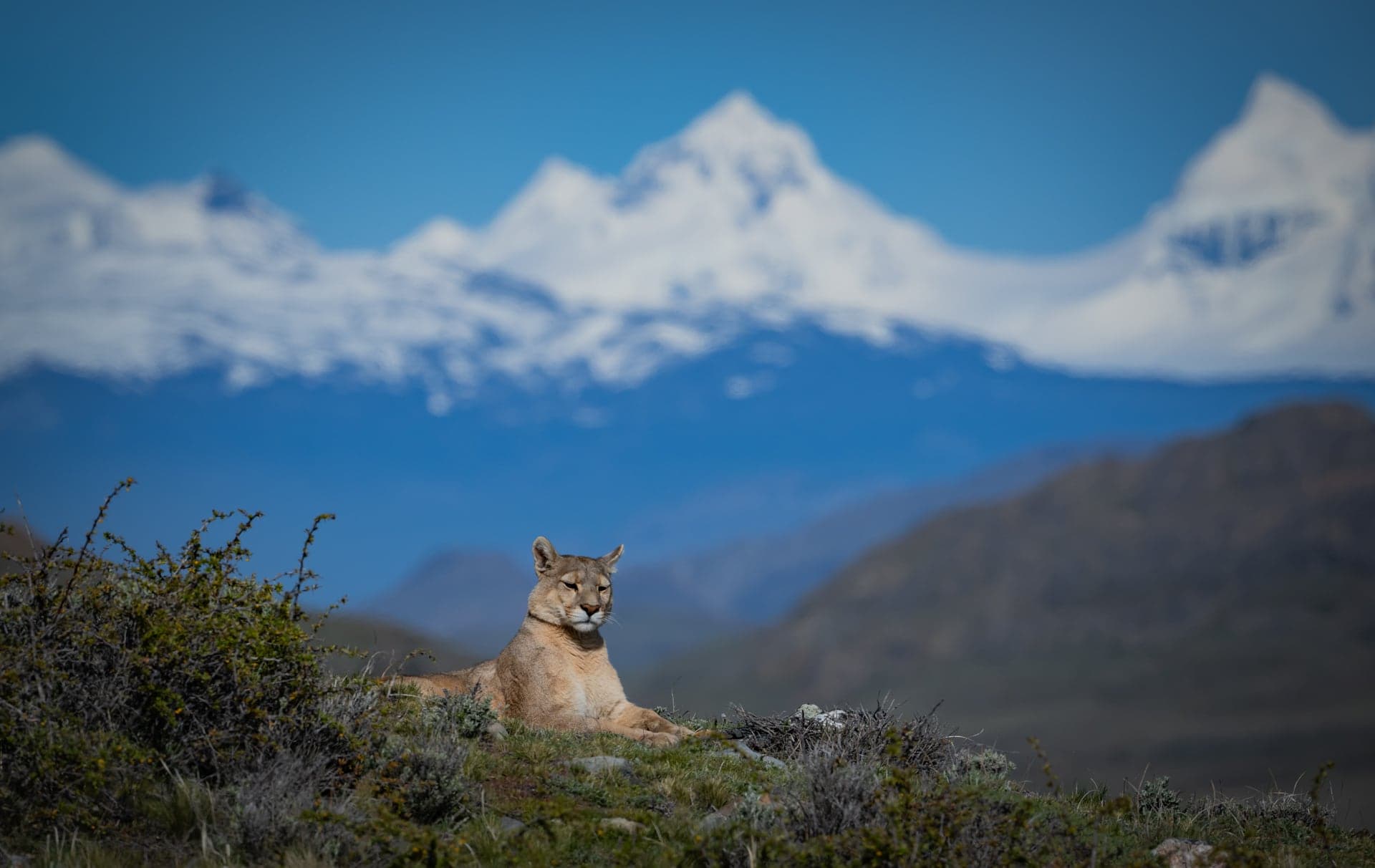
Chile and Argentina