- Best for
- Asiatic lions · Gujarat wildlife · Big-cat journeys
- Best months
- Mid-October to mid-June; the official park is closed during the monsoon and on Wednesdays
- Ideal duration
- 2-3 nights for repeated permit-based drives
- Getting there
- Rajkot is cited by Gujarat Tourism; road routing may also use Ahmedabad depending on the wider itinerary
Introducing Gir
A landscape with no need to perform.
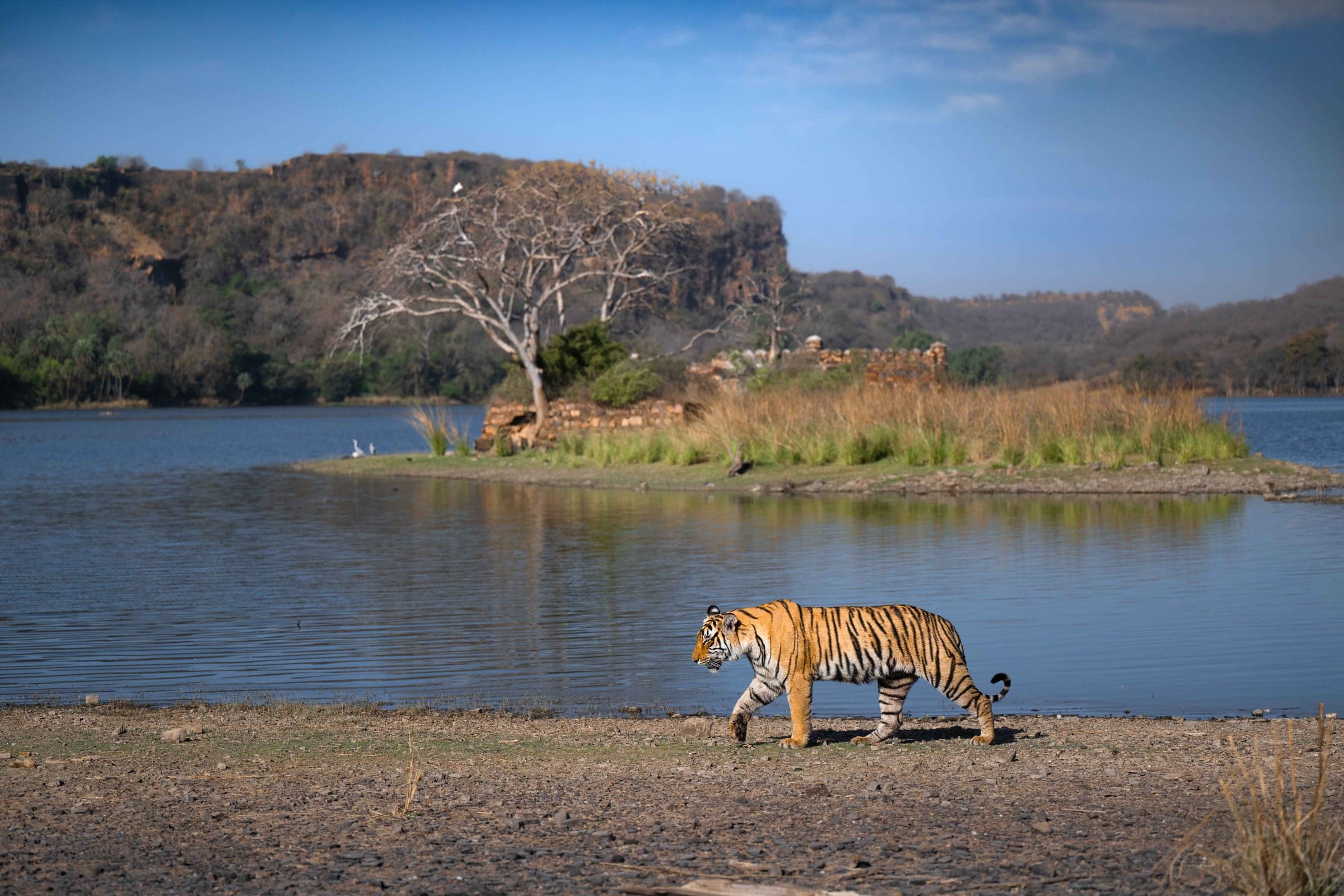
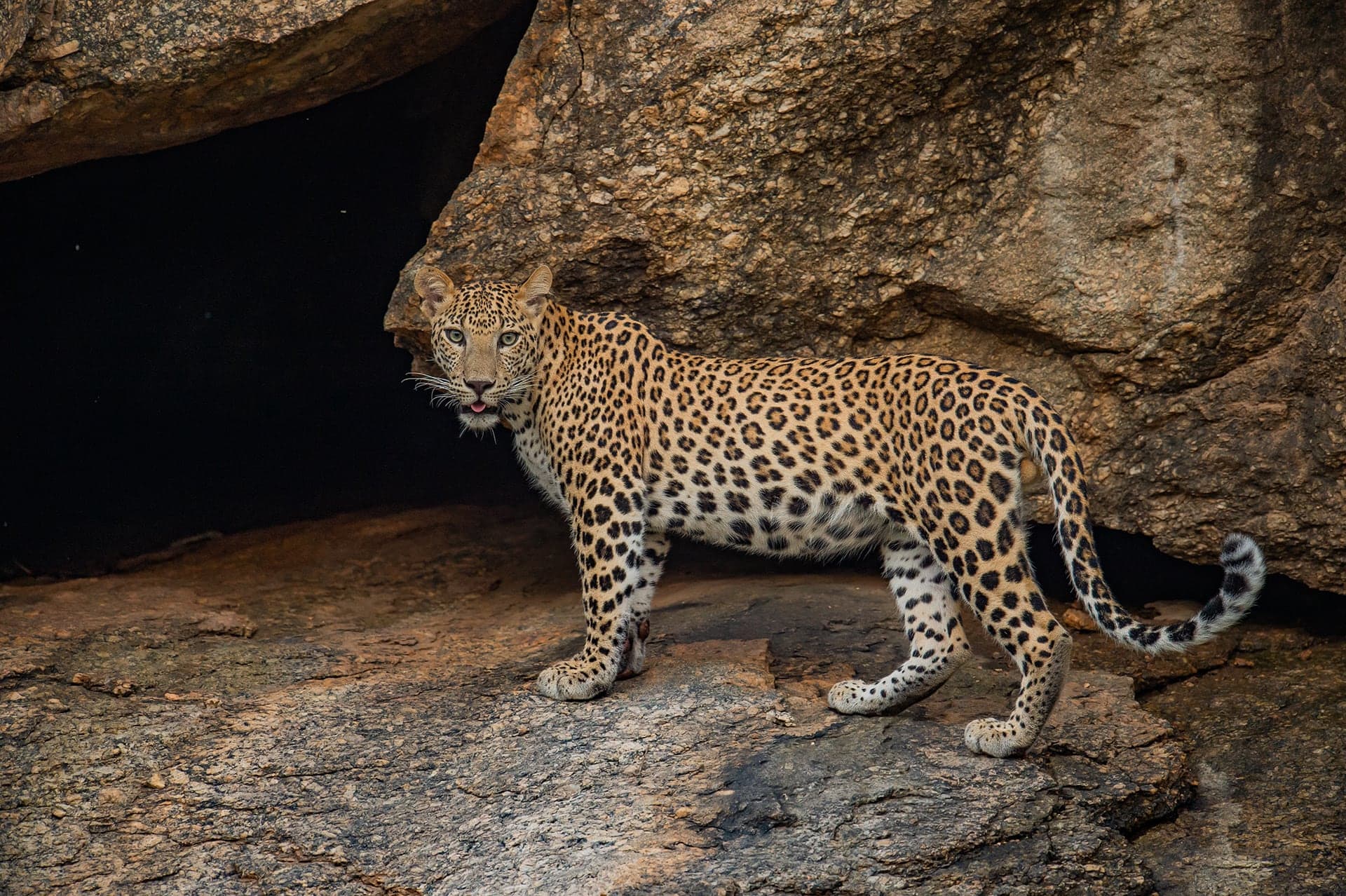
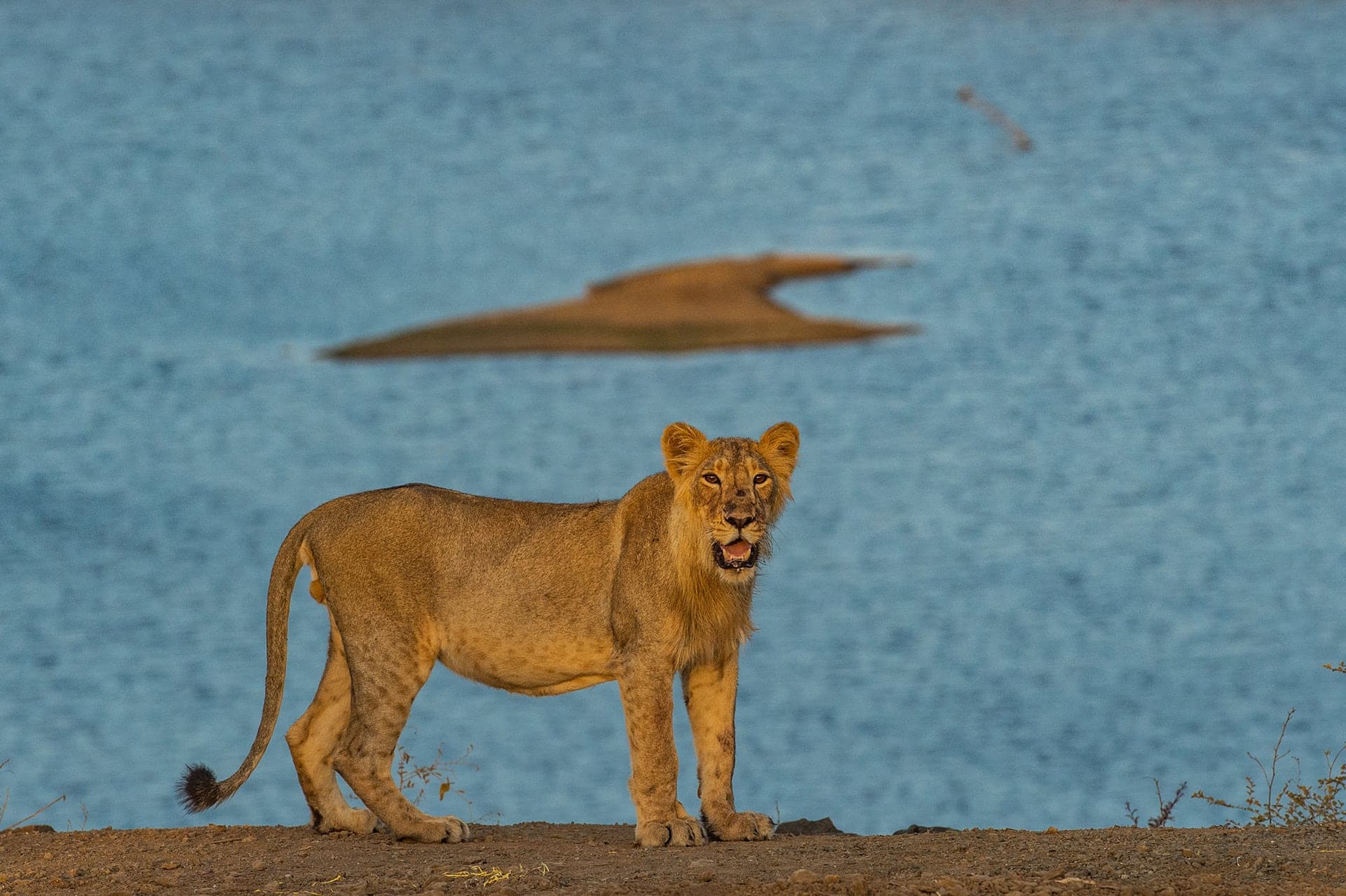
Gir's global importance rests on its population of wild Asiatic lions. The wider dry-forest ecosystem also supports leopard, deer, antelope, crocodile and a diverse bird community across teak woodland, scrub and seasonal watercourses.
Permits and timing are fundamental to a smooth visit. A private plan secures the official safari framework first, then chooses lodge, transfer and any Gujarat extension around those confirmed drives.
Field notes
Three ways to readGir.
A concise field guide to the landscape, its daily rhythm and the encounters that define it.
The landscape
Gir, read slowly.
Dry deciduous teak forest, thorn scrub, savanna, rocky hills and seasonal river systems
Photo journal
Gir,in frames.
Open any photograph to explore the collection in full screen.
Your private journey
Make your own Gir plan.
Tell us what draws you here. We will shape the right season, access, pace and places into one coherent private journey.
Begin planningGood to know
Question, meet answer.
When is the best time to visit Gir?
Mid-October to mid-June; the official park is closed during the monsoon and on Wednesdays
How long should I stay in Gir?
2-3 nights for repeated permit-based drives
What wildlife and habitat define Gir?
Asiatic lion, leopard, chital, sambar, nilgai, chowsingha, mugger crocodile and dry-forest birds. The landscape is characterised by dry deciduous teak forest, thorn scrub, savanna, rocky hills and seasonal river systems.
How do I reach Gir?
Rajkot is cited by Gujarat Tourism; road routing may also use Ahmedabad depending on the wider itinerary. Private road transfer to the Sasan Gir area. Official safari permits are limited and should be booked through the authorised system.
What is a typical day in Gir?
Morning and afternoon drives through dry forest and scrub, with heat-aware pacing and attention to the wider prey and bird community.
Keep exploring
Places in the sameconversation.
Extend the journey through landscapes that share a natural rhythm, wildlife story or sense of place.