- Best for
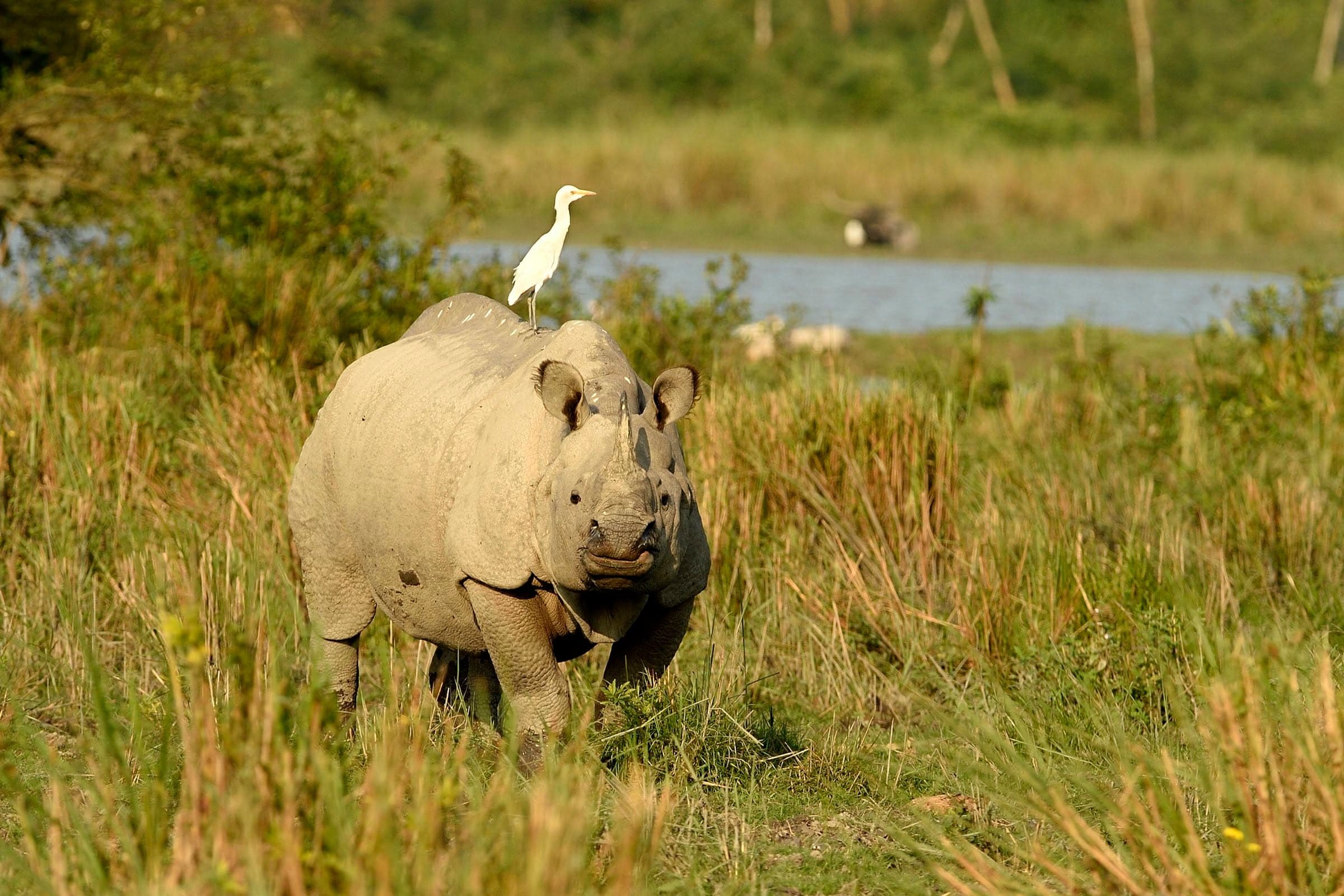
- The world’s best place for greater one-horned rhinoceros · Occasional sightings of tigers · Specialists such as water buffalo, eastern swamp deer, hog deer, Hoolock gibbon and more · An incomparable mosaic of wetland, grassland and woodland habitats in the Brahmaputra floodplains · Majestic elephants
- Best months
- November – April
- Ideal duration
- 4 to 6 nights
- Getting there
- Fly to Jorhat or Guwahati and drive to Kaziranga
Introducing Kaziranga
A flood of plain greatness.
If most wildlife destinations feel like the forest is enveloping you, embracing you, then Kaziranga is a delightful digression as a land of floodplains and grasslands. The sky here can seem unusually and thrillingly enormous. Elephant grass rises taller than the animals moving through it, including large mammals. Wetlands gleam like jewels in any hour of daylight, between islands of woodland.
And then there are the great Indian rhinos. They are ancient-looking, always unhurried in the way they live, entirely at home in Kaziranga. When you see one, behold it in the scale of things that is its home. This is an entire world of raw beauty made by a river.
Field notes
Three ways to readKaziranga.
A concise field guide to the landscape, its daily rhythm and the encounters that define it.
The landscape
A landscape authored by a river.
The Brahmaputra is more than mere background in this landscape; it is the author of this epic poem called Kaziranga. Every year, the river rises, floods (there are necessary floods), deposits silt, erodes, creates new channels and pools, and reshapes grassland and woodland. And to this primordial cycle birthed by a river, the wildlife responds – a very…
Photo journal
Kaziranga,in frames.
Open any photograph to explore the collection in full screen.
Your private journey
Make your own Kaziranga plan.
Tell us what draws you here. We will shape the right season, access, pace and places into one coherent private journey.
Begin planningGood to know
Question, meet answer.
What makes Kaziranga so special?
Kaziranga is one of the world's great floodplain wildernesses, combining tall alluvial grasslands, wetlands, woodland and the influence of the Brahmaputra. It supports the world's largest population of the greater one-horned rhinoceros alongside tiger, elephant, wild water buffalo, swamp deer and exceptional birdlife.
Is Kaziranga only about rhinos?
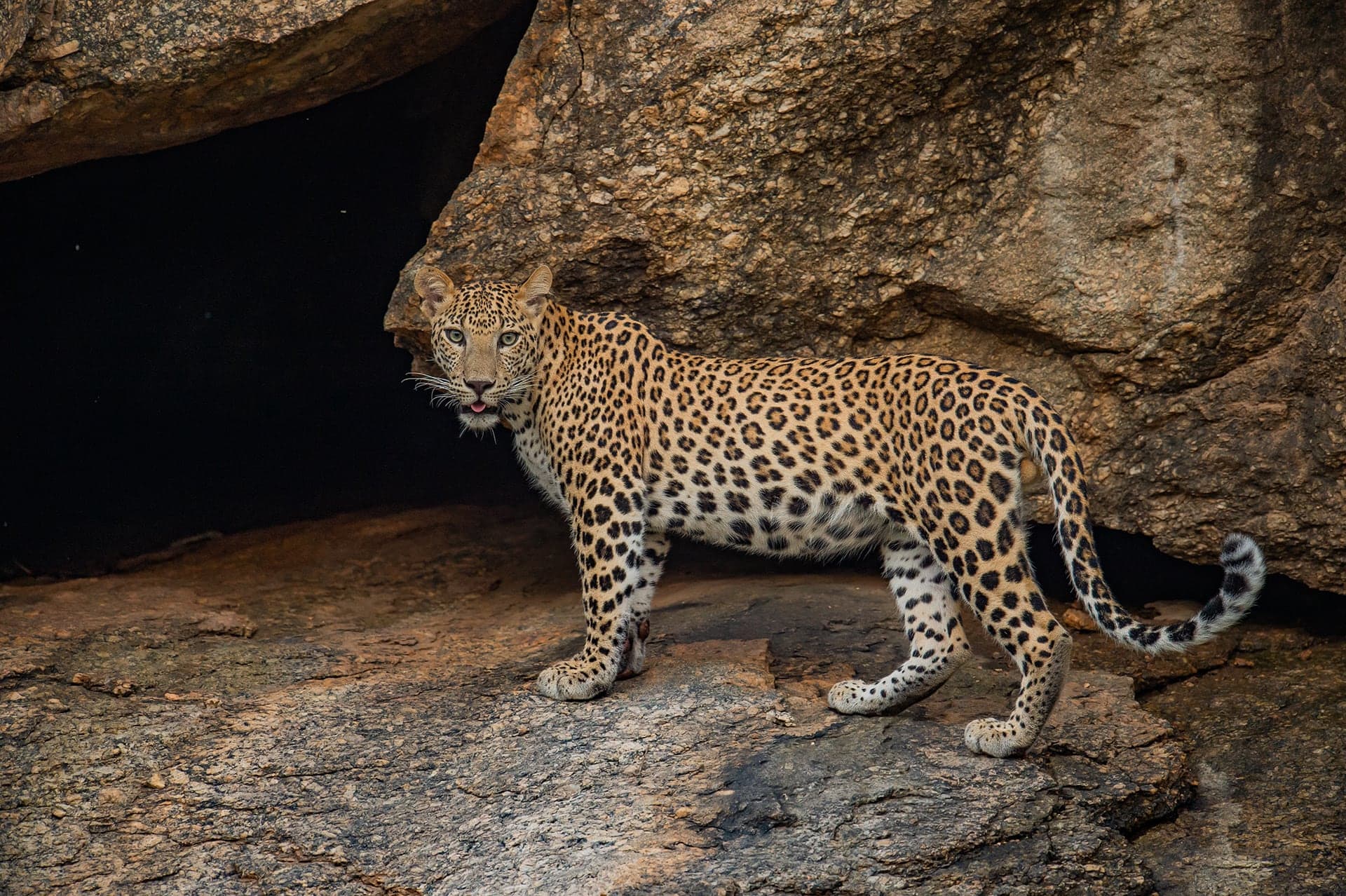
Not at all. Rhino may be the icon, but wild water buffalo, elephant, swamp deer, tiger, leopard, sloth bear, hog deer, gaur, hoolock gibbon and a remarkable range of birds are among the wildlife highlights of Kaziranga.
Can I see tigers in Kaziranga?
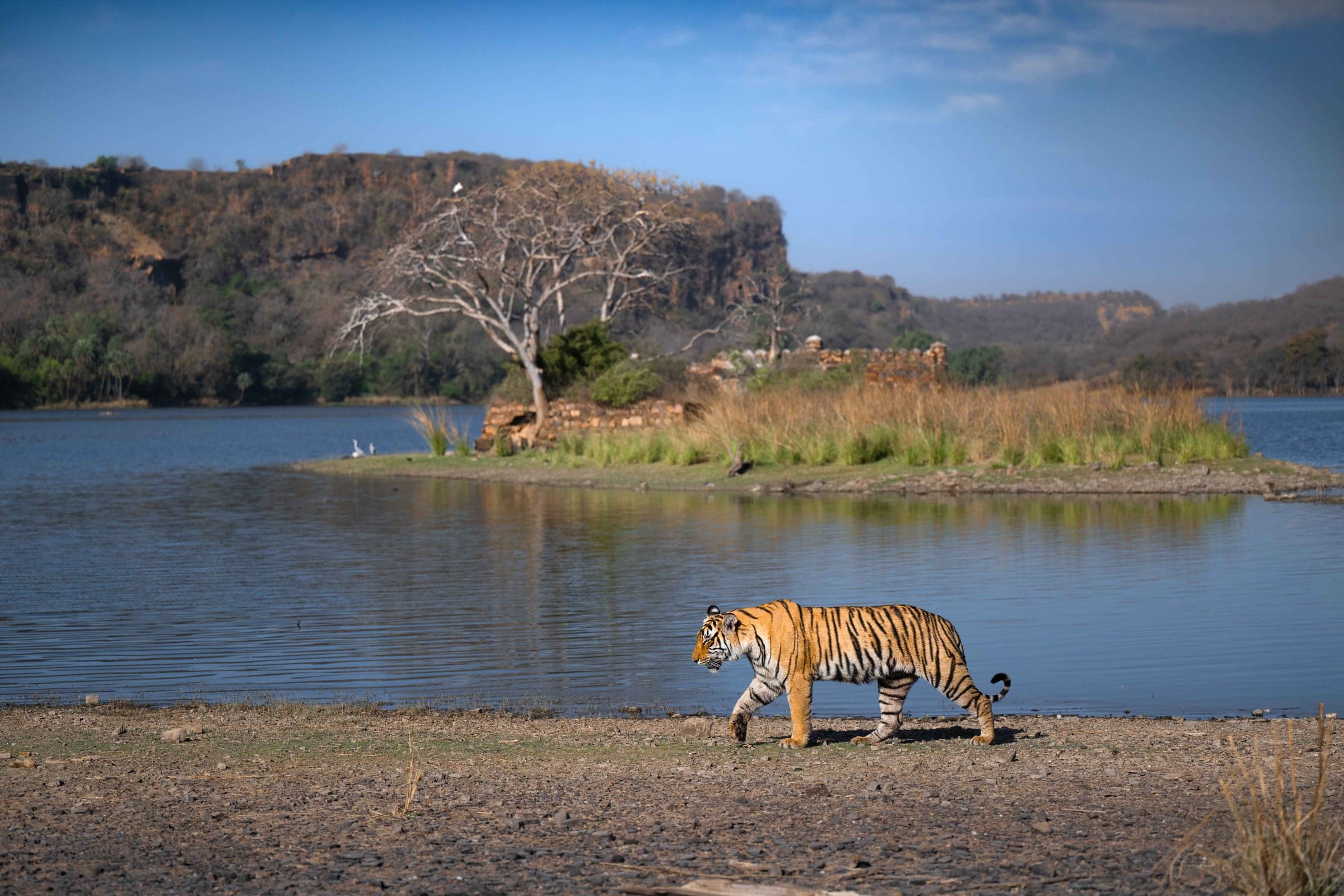
Yes. Kaziranga is a tiger reserve known to have one of the highest densities of tigers in India. But the tiger can be much harder to see than the rhino and other large herbivores. And that is part of the pleasure.
Why is the Brahmaputra so important?
Because it continually recreates Kaziranga. Flooding, erosion, sedimentation, new pools and changing vegetation shape the floodplain and maintain the mosaic of grassland, wetlands and woodland on which the wildlife depends.
Is Kaziranga good for birding?
Exceptionally so! The park sits at the junction of major migratory flyways, and its wetlands are important for globally threatened migratory birds. About 254 bird species are recorded in the park.
Can I see wild buffalo?
Yes! Kaziranga supports one of the world's most important populations of wild water buffalo and is one of the few places where you can encounter these enormous animals in such an intact floodplain landscape.
Can I see the Ganges river dolphin?
The endangered Ganges river dolphin occurs in some of Kaziranga's river and oxbow-lake systems. So, if planned properly, we can create possibilities of seeing it.
When should I visit?
November to April is the principal season. Late February to early April is particularly attractive for wildlife viewing.
How many nights should I spend?
Four to six nights is ideal for a proper Kaziranga experience. You need time to experience different ranges, allow for the way of the floodplain, spend time with birds and wetlands, and still have the luxury of unhurried mornings and afternoons.
Can Kaziranga be combined with other experiences?
Absolutely! And we would strongly encourage it. Kaziranga pairs beautifully with Assam tea country, the Brahmaputra, Karbi Anglong, local food and culture, and can form part of a wider Northeast India journey.
Is Kaziranga a UNESCO World Heritage Site?
Yes! Kaziranga National Park was inscribed on the UNESCO World Heritage list in 1985 for its outstanding natural values.
Is the park open throughout the year?
No. The visiting season is principally November to April, with the park affected by the annual monsoon and Brahmaputra flooding. The closure period can vary, so exact seasonal access should be checked when planning. November–April is the best visiting period.
Keep exploring
Places in the sameconversation.
Extend the journey through landscapes that share a natural rhythm, wildlife story or sense of place.