- Best for
- Convergence of prime tiger habitat and priceless human heritage · Opportunity to observe tiger dynasties and behaviour · Leopards and sloth bears · Excellent birding · Striking dry-deciduous forest set in India’s oldest and among Earth’s oldest hill ranges
- Best months
- March to June · October to February
- Ideal duration
- A minimum of 4 nights; longer for dedicated wildlife photography
- Getting there
- By air to Jaipur or Delhi, thereon by road or rail to Sawai Madhopur
Introducing Ranthambhore
The tiger’s prime theatre.
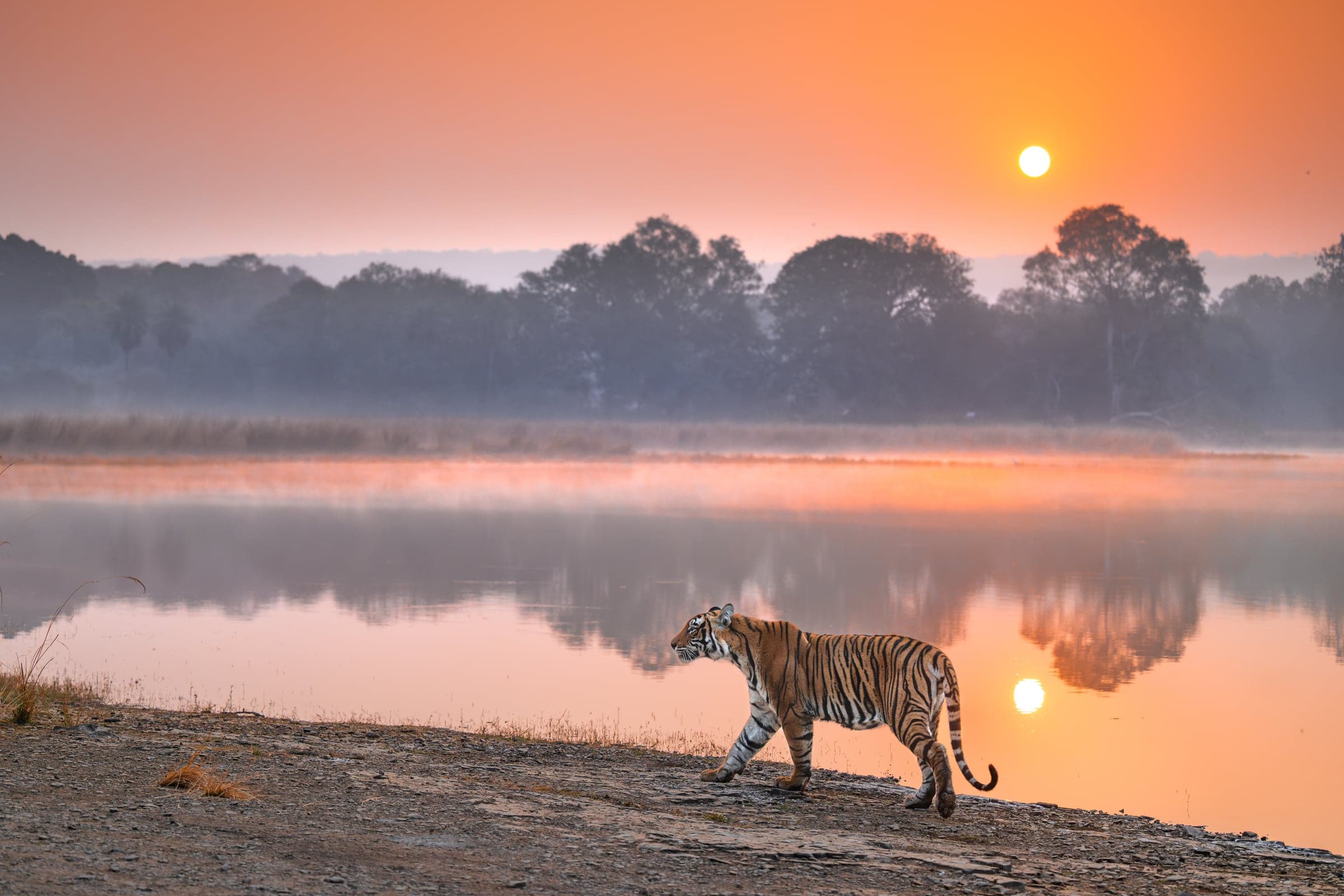
Seeing thousand-year-old archeological remains is a privilege. Seeing tigers in the wild is another. Now imagine seeing both in one place, interacting, interspersed, stripes melting seamlessly into stone, pillars whispering stories from the past, walls resonating to roars. That’s Ranthambhore.
Ranthambhore is not merely among the world’s best places to watch, photograph and follow tiger dynasties. It’s a place that captures a microcosm of the grandeur and splendour of India itself in all its plurality of riches, both human and natural. It’s a universe that condenses a country into a capsule of ecological and historical heritage, a capsule you can enter in the endless wonderment of life.
Field notes
Three ways to readRanthambhore.
A concise field guide to the landscape, its daily rhythm and the encounters that define it.
The landscape
A kingdom of stone and stripe.
There are wildlife reserves where history feels distant, even in an ancient country like India. But not in Ranthambhore. Here, the past is everywhere. The great fort sits above the forest. Ancient temples and structures stand reminiscing their heyday. Old cenotaphs, ruined human-settlements, water-tanks and other remnants of an earlier human world remain reclaimed by the forest. Amidst…
Photo journal
Ranthambhore,in frames.
Open any photograph to explore the collection in full screen.
Destination combinations
Better together.
Considered routes that place Ranthambhore in a wider journey without rushing either landscape.
 01
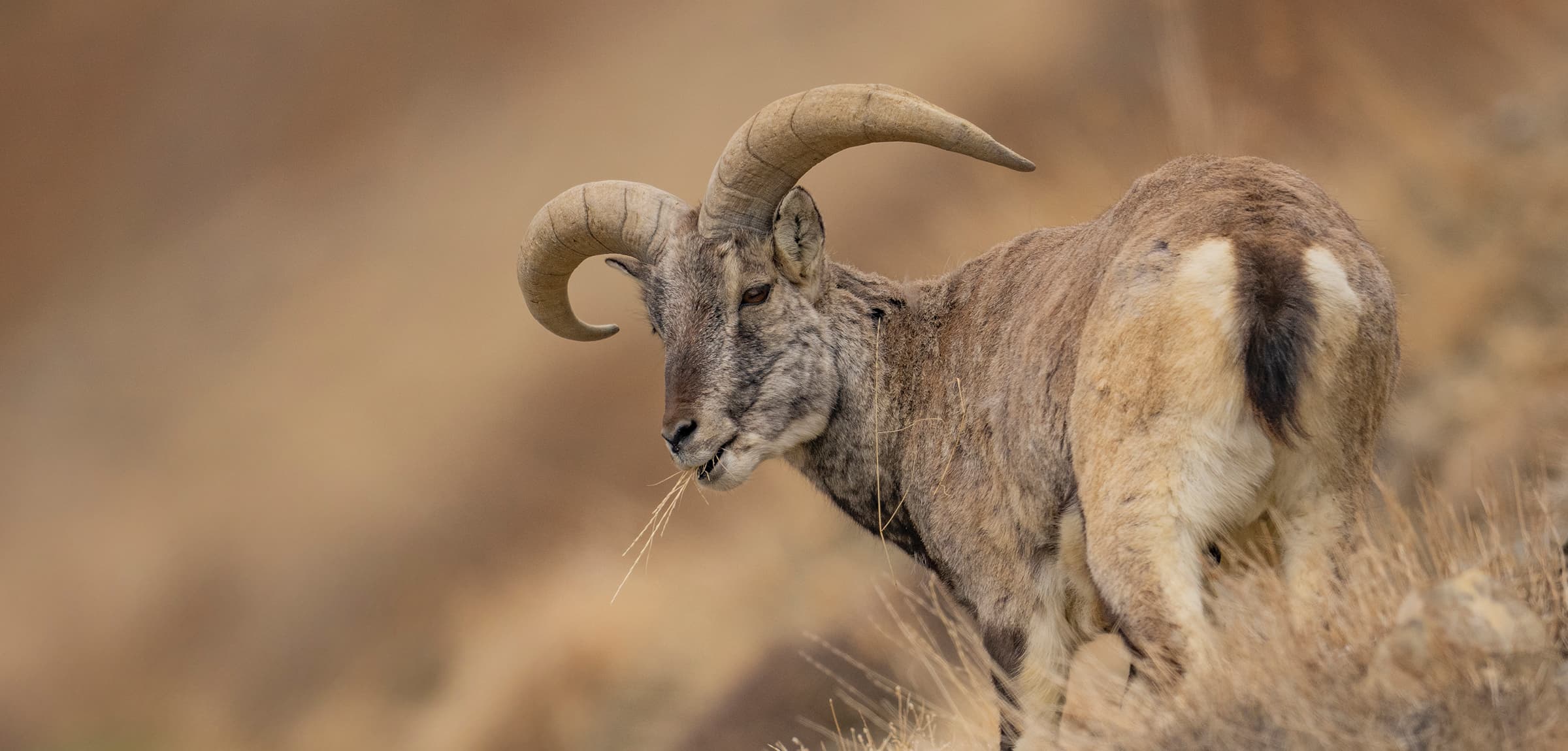
01Big Cats of India
A grand feline journey through three breathtaking habitats in search of India's apex cats.
Explore journey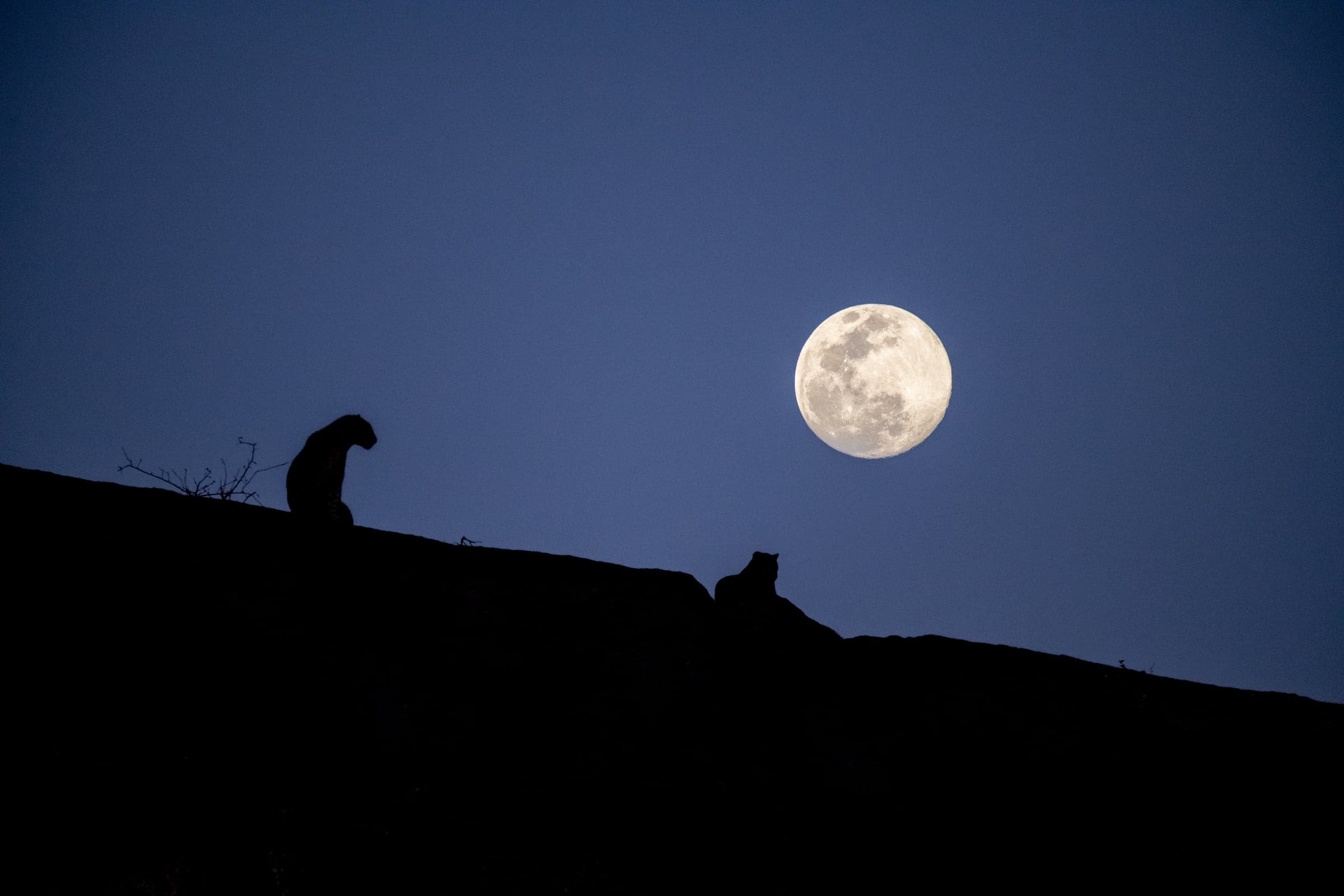 02
02Golden Triangle & Tiger Safari
Add a dash of human heritage to the natural splendour with monuments and monumental cats.
Explore journey 03
03India’s Big Five Safari
Go beyond big cats to encounter the other great mammals of the Indian subcontinent.
Explore journeyYour private journey
Make your own Ranthambhore plan.
Tell us what draws you here. We will shape the right season, access, pace and places into one coherent private journey.
Begin planningGood to know
Question, meet answer.
When is the best time to visit Ranthambhore?
The park's core tourist season runs from October to June. The cooler months are comfortable and atmospheric, while March to June can offer strong opportunities for tiger viewing as vegetation thins and wildlife becomes increasingly associated with water. The best period depends on whether your priority is tiger sightings, photography, weather or a wider Rajasthan journey.
How many nights should I spend in Ranthambhore?
We recommend three to five nights for a meaningful wildlife experience. Several safaris give you time to experience different parts of the landscape and, importantly, allow for the unpredictability of wildlife. Dedicated photographers may benefit from staying longer.
Can I see the Ranthambore Fort during a safari?
The fort is an integral part of the Ranthambhore landscape and sits within the wider protected area. It can also be visited as a separate heritage experience. The fort itself dates to the medieval period and is part of the UNESCO-listed Hill Forts of Rajasthan.
Is Ranthambhore only about tigers?
Absolutely not. Leopards, sloth bears, striped hyenas, caracals, jungle cats, sambar, chital, nilgai, crocodiles and a remarkable diversity of birds inhabit the reserve. The combination of wildlife, dry forest, lakes and historical architecture is what makes the destination so distinctive.
Is Ranthambhore good for wildlife photography?
Exceptionally so. The open woodland, lakes, rocky terrain and historic architecture provide unusually strong environmental compositions, while tigers and other wildlife offer opportunities for both portraits and behavioural photography.
Can I combine Ranthambhore with other parts of India?
Yes. It works particularly well with Rajasthan's heritage destinations, but can also form part of a broader Indian wildlife journey with destinations such as Bandhavgarh, Kanha, Tadoba or other tiger landscapes.