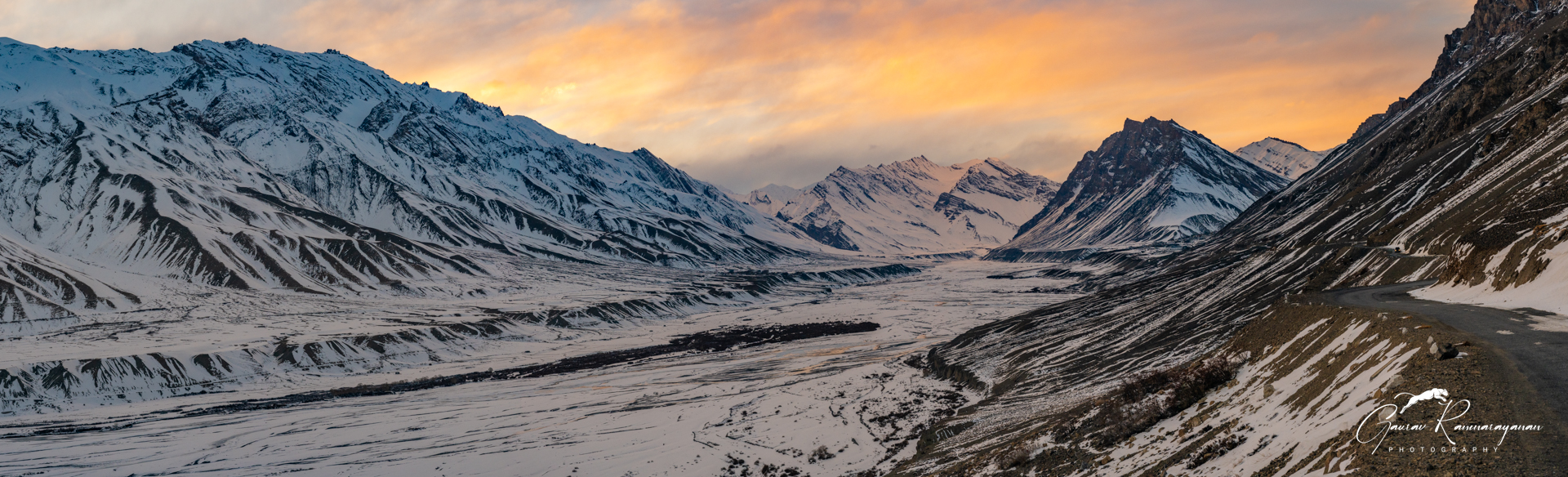
A winter expedition to photograph the snow leopard is not a safari in the conventional sense.
For visitors, the right preparation is what allows you to remain still when the cold bites, alert when the light shifts, and ready when a ghost of the mountains finally reveals itself. Here is a considered, experience-led guide to packing for a snow leopard photographic safari in Kibber.
Cold in Spiti Valley during a Snow Leopard Expedition is not dramatic, it is constant. Wind cuts through exposed skin, and long hours of inactivity during scans can chill the body rapidly. Your clothing system must work in layers.
Together, footwear and extremity protection form the foundation of physical endurance in the high Himalayas. While boots carry you across frozen valleys and steep ridgelines, hands and face are what keep you functional,able to walk, wait, and work the camera without distraction. Neglect either, and the cold will dictate your day.
Snow leopard tracking involves hours of walking over uneven, icy, and frozen terrain. Footwear must provide protection, insulation, and ankle support.
Snow leopards are rarely close. Photography here is about distance, anticipation, and composition across vast spaces.
A weather-sealed camera body is strongly recommended, ideally with a backup. A 400-600mm telephoto lens is the workhorse of the expedition, complemented by a 70-200mm for landscapes and contextual frames. Use a carbon-fibre tripod, metal freezes hands instantly, and a ball head with controls large enough to operate with gloves. Cold drains batteries quickly, so carry two to three times your usual requirement and keep spares close to your body for warmth.
Carrying the right gear in snow leopard country is about staying mobile without sacrificing safety or comfort. You will walk, stop, sit, and walk again, often in sub-zero winds, so everything you carry must earn its place. A well-designed backpack and a few thoughtful essentials can make long days in the field far more manageable.
High altitude and extreme winter conditions place constant stress on the body, making health, hydration, and steady energy critical. Small lapses, dehydration, dry skin, fatigue, can quickly escalate in these environments.
Snow leopard sightings are often the reward for effort. Long walks, steep climbs, and extended waits demand both physical support and practical accessories that reduce strain.
Finally, prepare for quieter times. Long nights and weather-bound evenings are part of the experience, and a few personal items can help maintain mental comfort and focus.
A snow leopard photographic safari in Kibber is not about comfort; it is about readiness. When the cold fades into the background and your body is no longer the loudest thing you hear, you begin to see properly, light on rock, shadow on snow, movement on a far ridge.Pack well, and you give yourself the rare gift of being fully present when the mountains decide to reveal their most elusive resident.
A snow leopard photographic safari in Kibber is not about comfort; it is about readiness.
Safari Crafters archive