- Best for
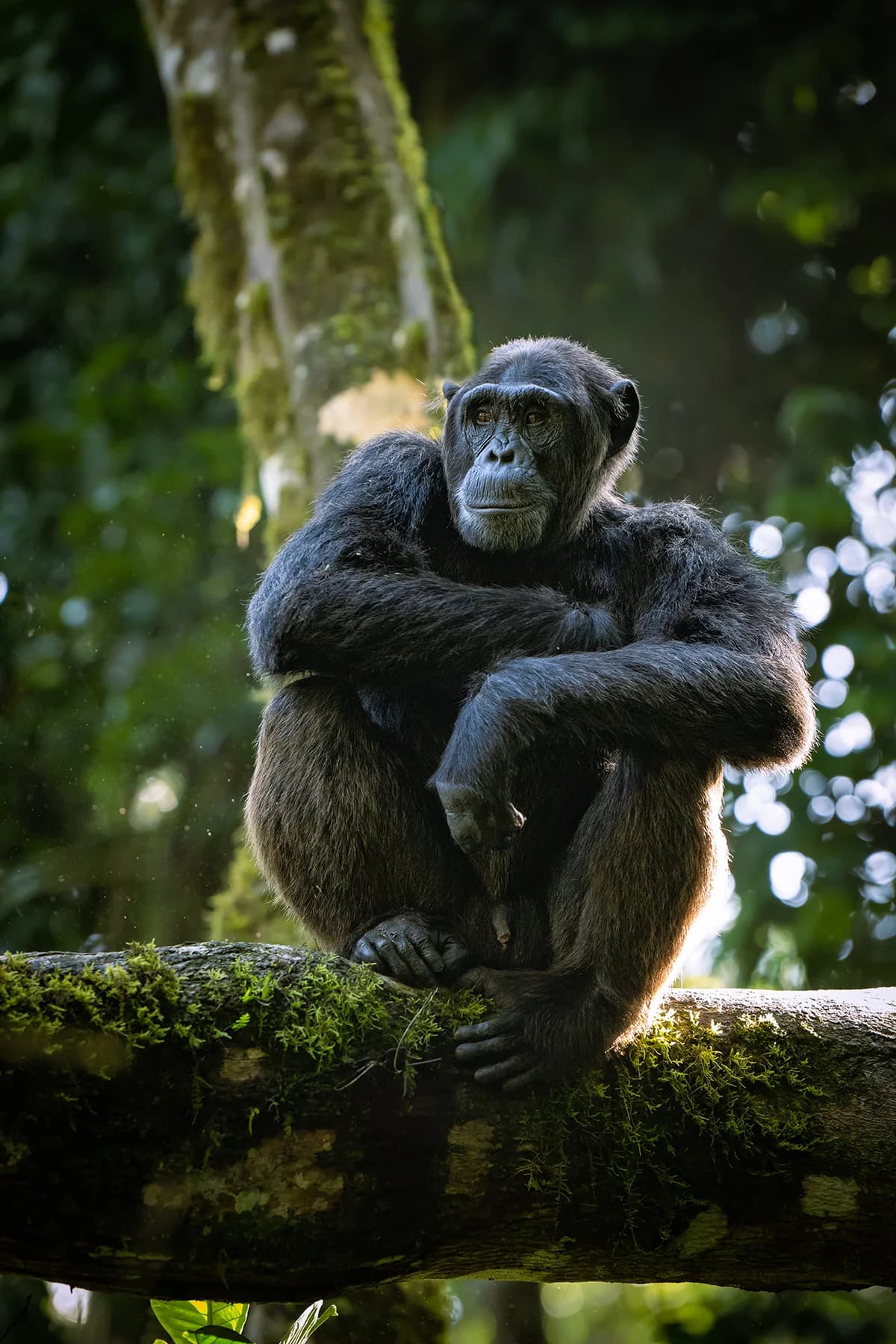
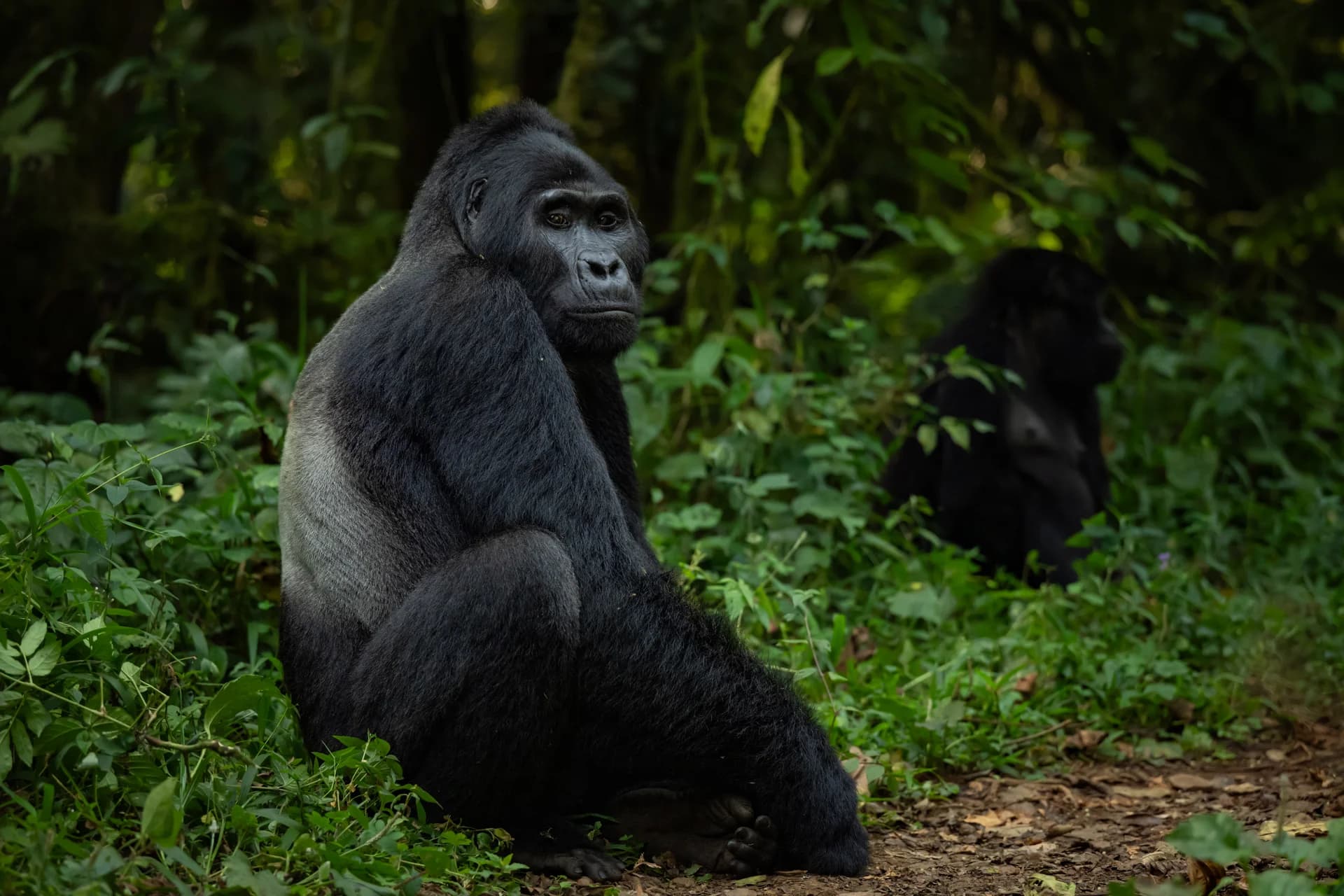
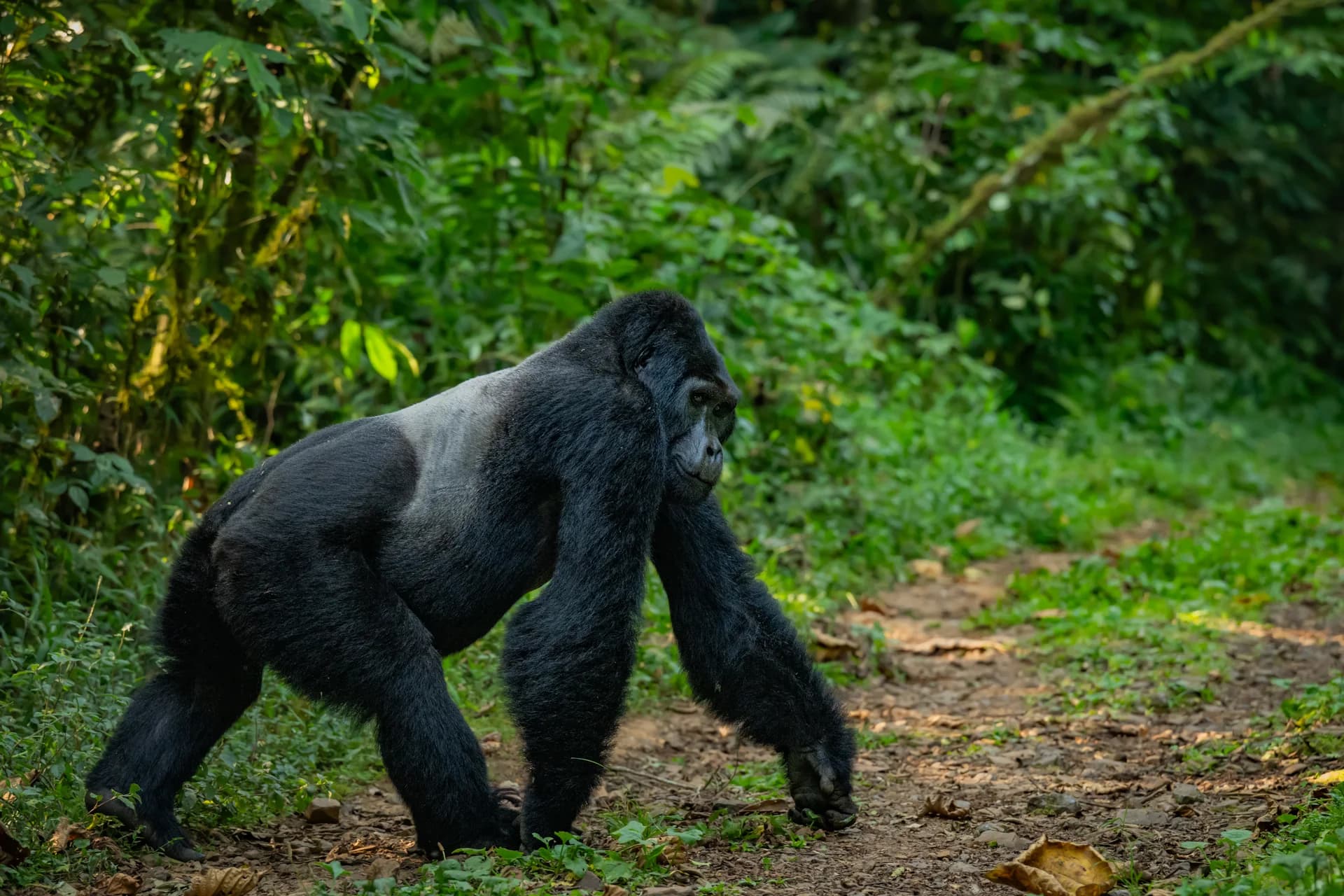
- Mountain gorillas · Forest trekking · Conservation travel
- Best months
- June to September and December to February are generally drier, though rainforest conditions remain possible year-round
- Ideal duration
- 3 nights for one trek, with a recovery day or second permit considered
- Getting there
- Entebbe via Kihihi or Kisoro flight, or a long road transfer
Introducing Bwindi Impenetrable
Into the forest of gorillas.
Field notes
Read the landscape.Meet the wild.
A concise field guide to the landscape, its daily rhythm and the encounters that define it.
The landscape
Bwindi Impenetrable, read slowly.
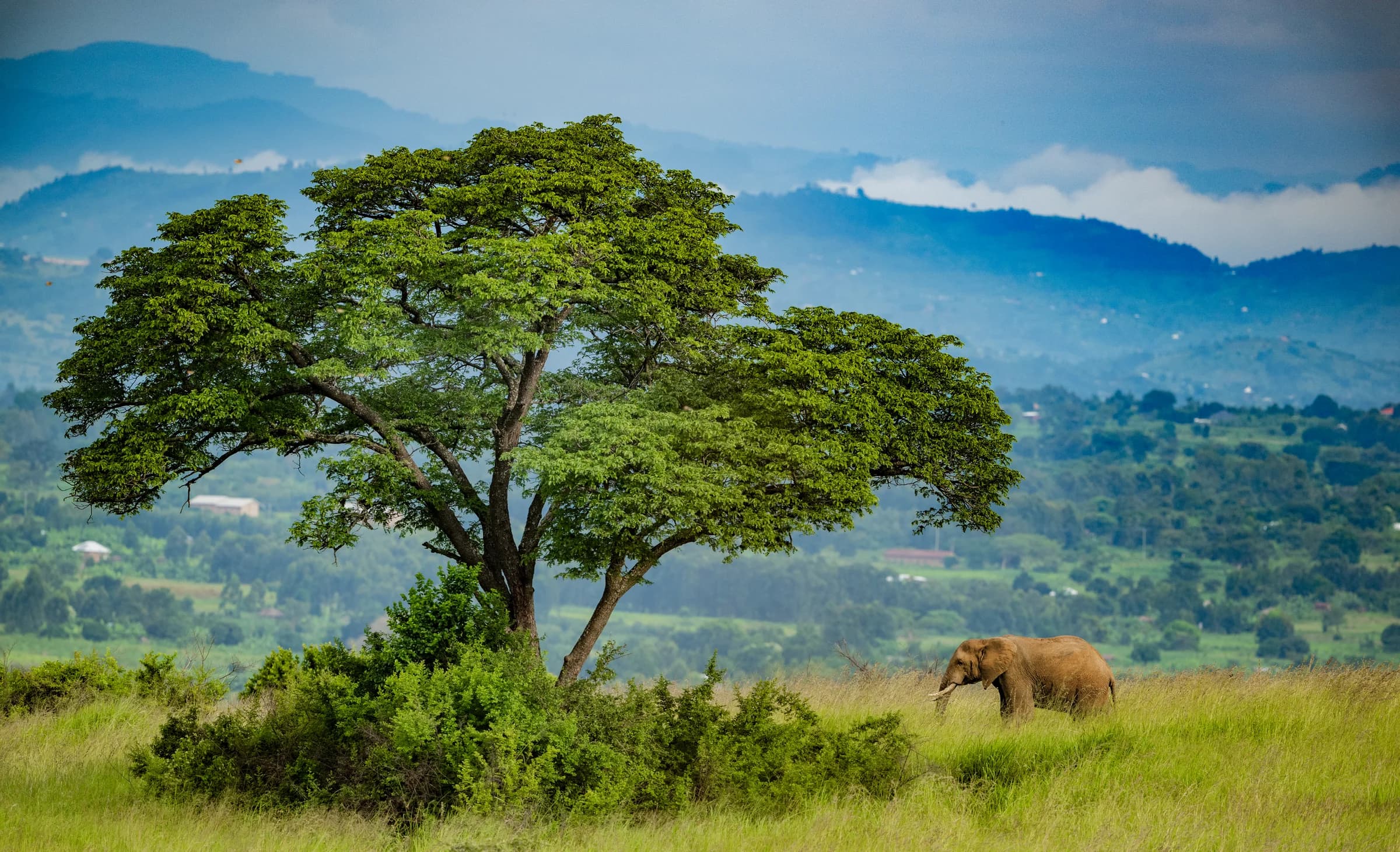
Steep montane and lowland rainforest across Buhoma, Ruhija, Rushaga and Nkuringo sectors
Photo journal
Bwindi Impenetrable,in frames.
Open any photograph to explore the collection in full screen.
Your private journey
Bwindi Impenetrable,
your way.
Tell us what draws you here. We will shape the right season, access, pace and places into one coherent private journey.
Begin planningGood to know
Questions,
answered.
When is the best time to visit Bwindi Impenetrable?
June to September and December to February are generally drier, though rainforest conditions remain possible year-round. Exact conditions vary, so the wider route and priority species should guide the final dates.
How long should I stay in Bwindi Impenetrable?
3 nights for one trek, with a recovery day or second permit considered. The aim is enough time for the destination's natural rhythm without unnecessary packing.
How do I reach Bwindi Impenetrable?
Entebbe via Kihihi or Kisoro flight, or a long road transfer. A gorilla permit is sector-specific. Lodge location must match the confirmed sector, and trekking duration and terrain cannot be predicted.
What is a typical day in Bwindi Impenetrable?
Begin with an early briefing, then track on foot for an uncertain duration; the remainder of the day should stay deliberately uncommitted.
What should photographers expect in Bwindi Impenetrable?
Rainforest light is low and flash is prohibited. A fast mid-telephoto, rain protection and physical readiness matter more than a very long lens.
Keep exploring
Places to explore.
Extend the journey through landscapes that share a natural rhythm, wildlife story or sense of place.