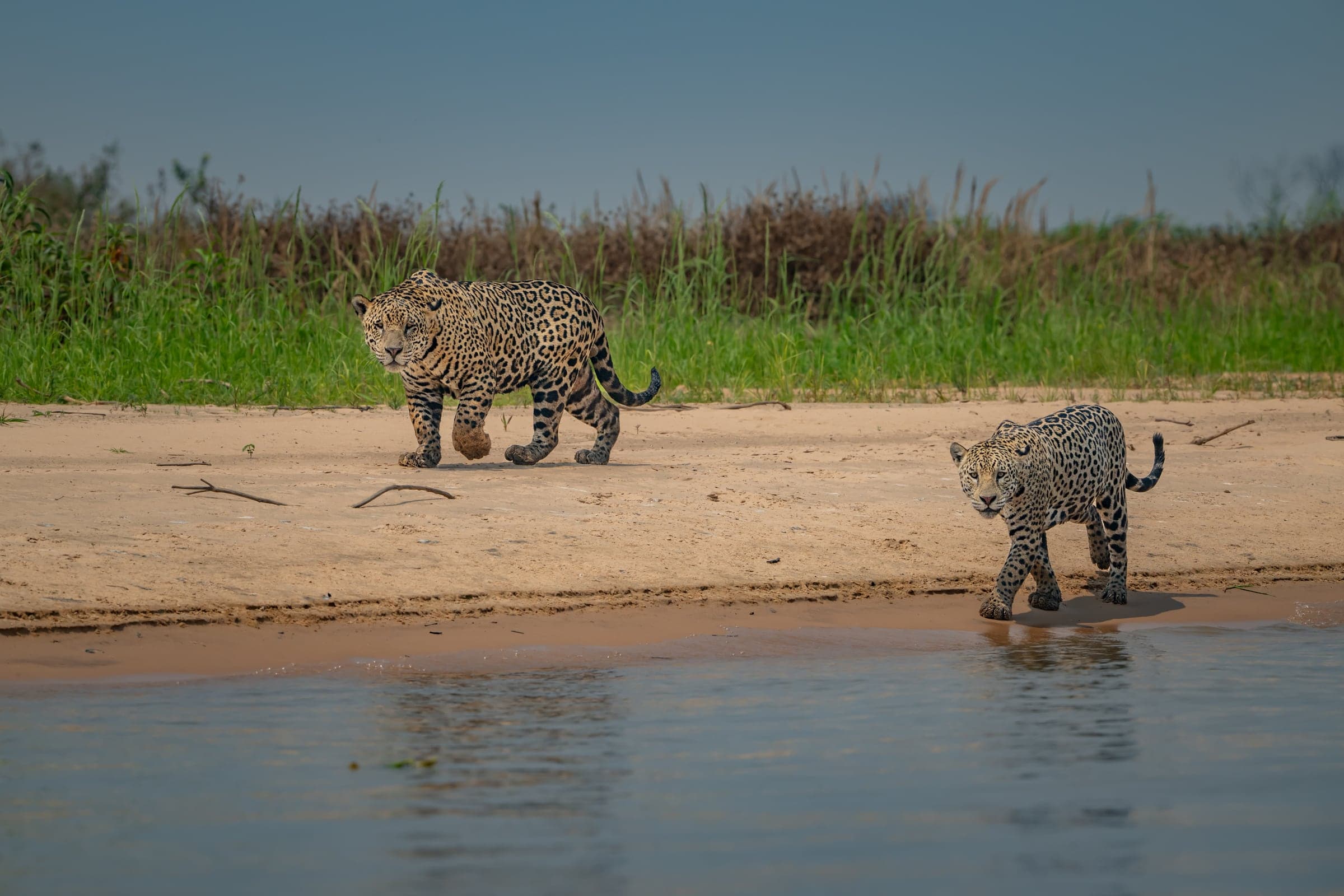
Jaguar wetlands
Rainforest, high Andes, southern ice and northern wilderness—selected for encounters with real depth.
Safari Crafters archive
Ways into The Americas
Choose the atmosphere that draws you in; we will shape the sequence around season and access.
Jaguar wetlands
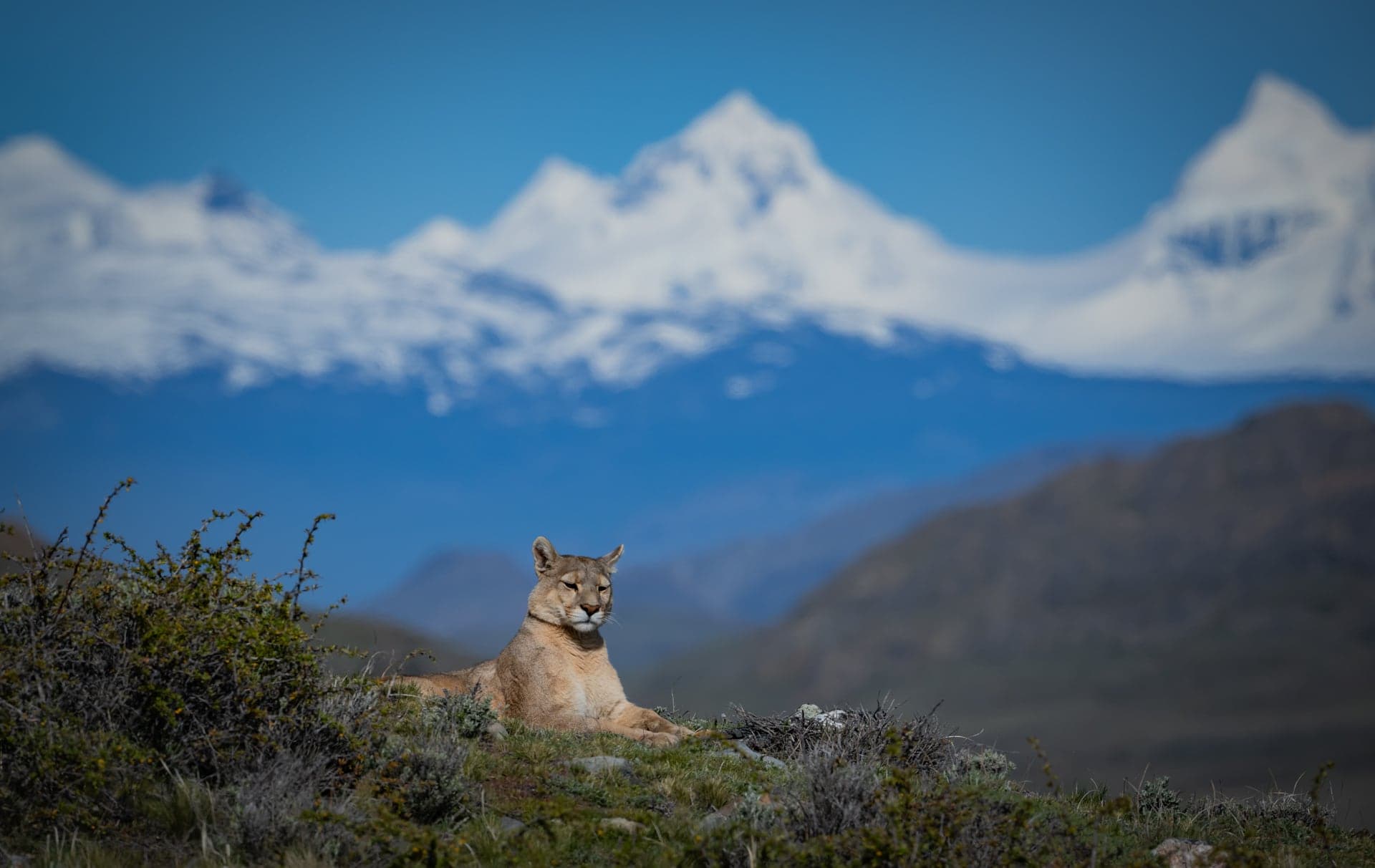
Southern wild
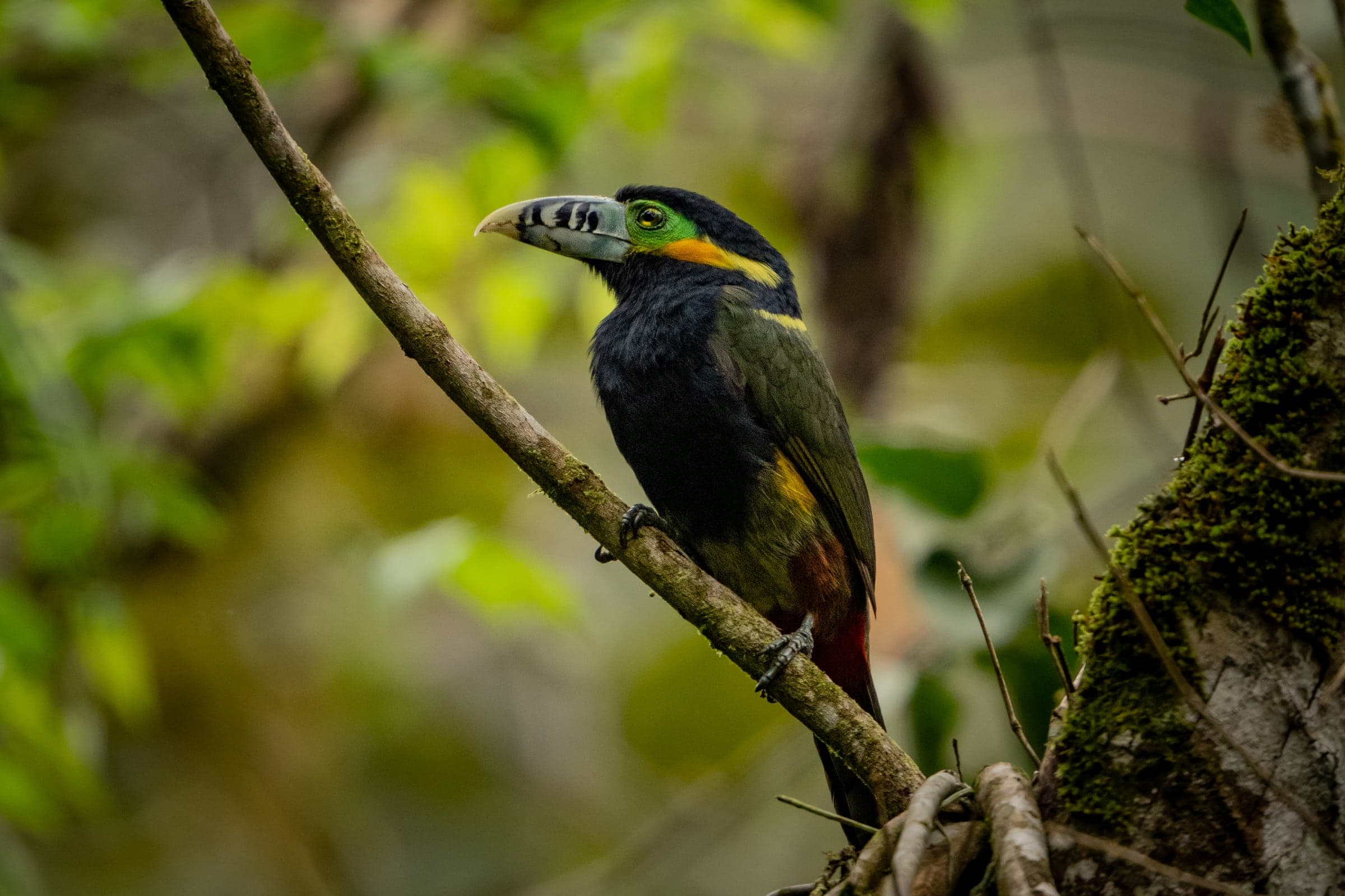
Atlantic forest
A considered edit
Not a checklist—3 strong starting points, each with a distinct reason to travel.
Brazil, Brazil
Chile and Argentina, Chile and Argentina
Brazil, Brazil
By country
Open a country chapter, then move from its signature places to quieter extensions.
5 places
2 places
4 places
1 place
5 places
1 place
1 place
3 places
3 places
The complete collection
Every field brief uses the same concise format, making places easier to compare without flattening their character.
Brazil is shaped by pantanal wetland, amazon rainforest, atlantic forest, cerrado, coastal mangrove and major river systems, with…
PantanalJuly to October for lower water and concentrated wildlife; December to March for flooded landscapes and breeding birdsPantanal is shaped by seasonally flooded grassland, gallery forest, river channels, oxbow lakes and ranchland, with private journeys…
AmazoniaJune to November is generally lower-water in many central Amazon areas; December to May brings higher water and flooded-forest accessAmazonia is shaped by terra firme rainforest, flooded várzea and igapó, blackwater and whitewater rivers, canopy and oxbow…
Atlantic RainforestApril to September is often cooler and drier in the southeast, while bird and primate priorities vary locallyAtlantic Rainforest is shaped by coastal rainforest, montane cloud forest, restinga, mangrove and forest fragments, with private journeys…
Iguazu FallsMarch to May and August to October often balance weather and visitor levels; river volume changes with rainfallIguazu Falls is shaped by subtropical atlantic forest surrounding the iguaçu river and its extensive waterfall system, with…
ChileOctober to April for most Patagonia travel; May to September for specialist winter journeys with restricted servicesChile is shaped by patagonian steppe, temperate rainforest, andes, fjords, atacama desert, salt flats and pacific coast, with…
PatagoniaOctober to April for longer daylight; winter offers specialist puma and snow landscapes with reduced servicesPatagonia is shaped by andean peaks, glacial lakes, steppe, beech forest, fjords and wind-shaped grassland, with private journeys…
EcuadorJune to September is often drier in the Andes; Amazon and cloud-forest patterns differ, while Galápagos has its own marine seasonsEcuador is shaped by high andes, páramo, cloud forest, amazon lowlands, pacific forest and volcanic islands, with private…
GalapagosDecember to May for warmer water and calmer seas; June to November for cooler nutrient-rich water and active marine lifeGalapagos is shaped by volcanic islands, lava shore, arid scrub, humid highlands and a highly protected marine reserve…
AndesJune to September is generally drier; cloud, wind and altitude remain possible throughout the yearAndes is shaped by volcanic peaks, páramo grassland, cloud forest, high lakes and inter-andean valleys, with private journeys…
Ecuadorian AmazonYear-round; August to November is often drier in some areas, but rainforest showers remain normalEcuadorian Amazon is shaped by western amazon rainforest, blackwater lagoons, river channels, canopy and seasonally flooded forest, with…
ColombiaDecember to March and July to August are drier in many Andean regions; rainfall varies sharply by elevation and coastColombia is shaped by caribbean coast, three andean cordilleras, cloud forest, amazon, orinoco grassland and chocó rainforest, with…
PeruMay to September for drier Andes and Amazon conditions; October to April is greener and wetterPeru is shaped by amazon rainforest, cloud forest, high andes, puna, desert coast and lake titicaca wetlands, with…
TambopataMay to October is generally drier; November to April brings higher humidity, rain and lush forestTambopata is shaped by lowland amazon rainforest, tambopata river, oxbow lakes, palm swamp and mineral clay licks, with…
Sacred ValleyApril to October for drier conditions; November to March is greener with more frequent rainSacred Valley is shaped by inter-andean valley, river terraces, dry mountain slopes, cloud-forest transition and cultivated landscapes, with…
Machu PicchuApril to October for generally drier weather; cloud and rain can occur in every monthMachu Picchu is shaped by cloud-forest mountain saddle above the urubamba river, with steep andean slopes and archaeological…
Lake TiticacaMay to September for dry, cold conditions; nights are cold year-round at high altitudeLake Titicaca is shaped by high-altitude freshwater lake, reedbeds, islands, puna grassland and broad altiplano, with private journeys…
Costa RicaDecember to April is drier on the Pacific side; Caribbean and cloud-forest regions follow different rain patternsCosta Rica is shaped by caribbean and pacific rainforest, cloud forest, dry forest, mangrove, volcano and marine protected…
PanamaDecember to April is generally drier; October and November bring major raptor migration through the isthmusPanama is shaped by canal watershed rainforest, caribbean islands, pacific coast, cloud forest, mangrove and darién lowlands, with…
CanadaMay to October for most wildlife lodges; October to November for Churchill polar bears; winter supports specialist snow journeysCanada is shaped by pacific temperate rainforest, rockies, prairie, boreal forest, tundra, arctic coast and major marine systems…
Great Bear RainforestMay to October; salmon runs and bear activity vary by river and season, with late summer and autumn often importantGreat Bear Rainforest is shaped by pacific temperate rainforest, salmon rivers, fjords, islands, estuaries and coastal mountains, with…
ChurchillOctober to November for polar bears at freeze-up; July to August for belugas, tundra flowers and summer birdsChurchill is shaped by hudson bay coast, tundra, boreal transition, tidal flats and churchill river estuary, with private…
USAYear-round by region: spring and autumn suit many parks, summer opens high country, and winter supports specialist wildlifeUSA is shaped by arctic tundra, rocky mountains, temperate rainforest, desert, prairie, wetlands and atlantic-pacific coast, with private…
AlaskaJune to September for most land and coastal travel; exact bear, salmon, whale and fall-colour timing varies by regionAlaska is shaped by tundra, boreal forest, glacial coast, salmon rivers, mountain ranges and marine fjords, with private…
Yellowstone National ParkMay to June for spring wildlife; September to October for autumn; winter for specialist wolf and snow journeysYellowstone National Park is shaped by high volcanic plateau, geothermal basins, river valleys, lodgepole forest, grassland and alpine…
Begin planning
We will connect the landscapes into a journey that feels coherent, never collected.
Begin a Private Journey