- Best for
- Amazon wildlife · Birding · Community-led travel
- Best months
- Year-round; August to November is often drier in some areas, but rainforest showers remain normal
- Ideal duration
- 4-5 nights
- Getting there
- Quito, followed by flight or road and boat transfer according to lodge
Introducing Ecuadorian Amazon
A landscape with no need to perform.
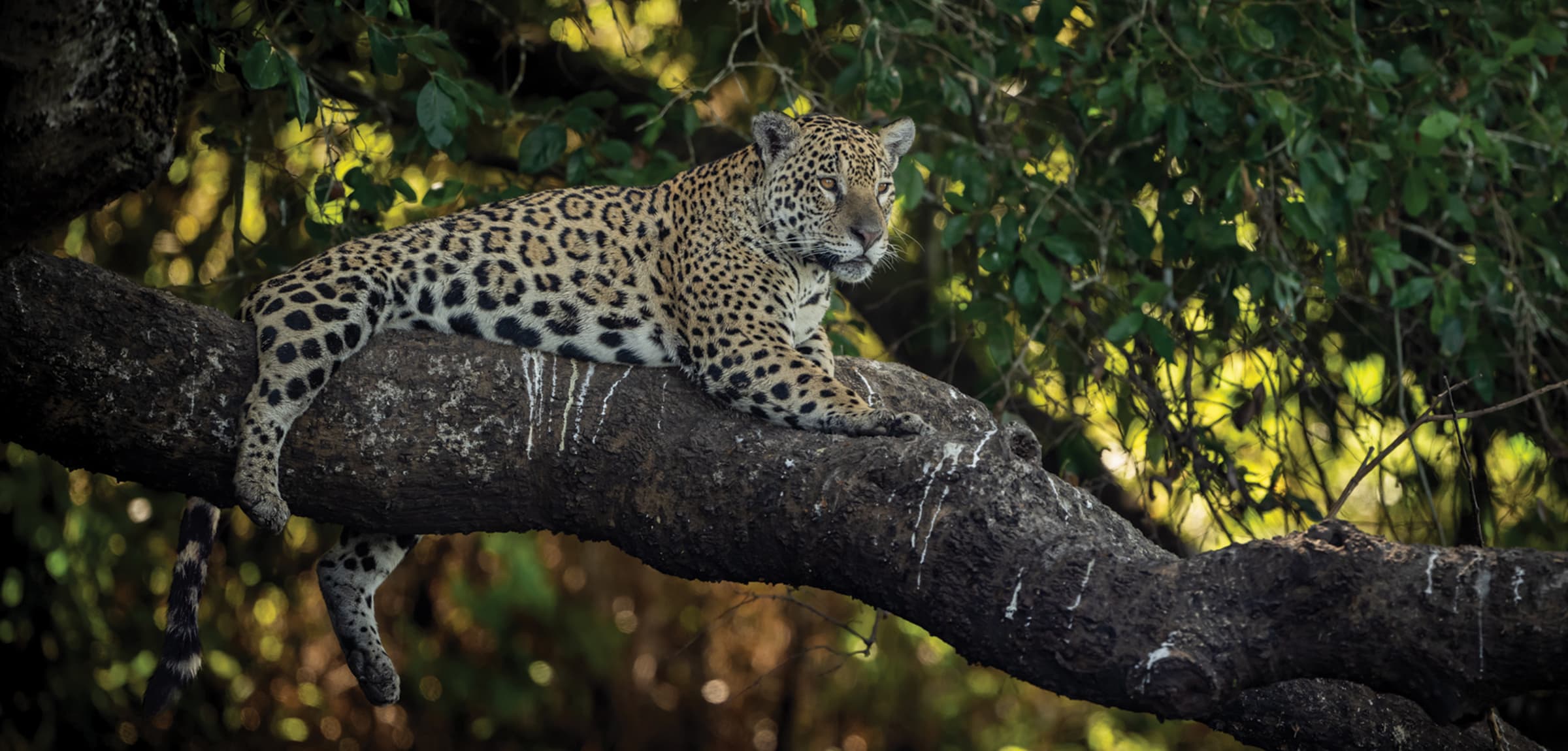
Ecuadorian Amazon brings together western amazon rainforest, blackwater lagoons, river channels, canopy and seasonally flooded forest. Its wildlife context includes monkey diversity, sloth, giant otter, river dolphin, tapir, macaw, toucan, frog and insect life.
A strong journey begins with the governing landscape rather than a sighting promise. Access is usually multi-stage. Lodge location determines transfer length, indigenous-community context and available habitats. Early canoe or canopy sessions, a shaded midday interval, then late trail, water or nocturnal exploration.
Field notes
Three ways to readEcuadorian Amazon.
A concise field guide to the landscape, its daily rhythm and the encounters that define it.
The landscape
Ecuadorian Amazon, read slowly.
Western Amazon rainforest, blackwater lagoons, river channels, canopy and seasonally flooded forest
Photo journal
Ecuadorian Amazon,in frames.
Open any photograph to explore the collection in full screen.
Your private journey
Make your own Ecuadorian Amazon plan.
Tell us what draws you here. We will shape the right season, access, pace and places into one coherent private journey.
Begin planningGood to know
Question, meet answer.
When is the best time to visit Ecuadorian Amazon?
Year-round; August to November is often drier in some areas, but rainforest showers remain normal. The final dates should follow the exact region, wildlife priority and access pattern.
How long should I stay in Ecuadorian Amazon?
4-5 nights. This protects useful field time and reduces avoidable transfers.
How do I reach Ecuadorian Amazon?
Quito, followed by flight or road and boat transfer according to lodge. Access is usually multi-stage. Lodge location determines transfer length, indigenous-community context and available habitats.
What is the daily rhythm in Ecuadorian Amazon?
Early canoe or canopy sessions, a shaded midday interval, then late trail, water or nocturnal exploration.
What should photographers know about Ecuadorian Amazon?
Humidity and low light dominate; dry bags, fast lenses and simple equipment changes protect both images and gear.
Keep exploring
Places in the sameconversation.
Extend the journey through landscapes that share a natural rhythm, wildlife story or sense of place.