- Best for
- Rare privilege of watching and photographing snow leopards from · relative proximity · Exalted high-altitude specialists like blue sheep and Himalayan ibex · Excellent chances of catching the elusive Tibetan wolf · Regular sightings of red fox · Himalayan specialties like bearded vulture and Himalayan snowcock · Insights into Spitian culture including Buddhist monasteries · Experience of an authentic homestay in a high-altitude Bhoti village · Breathtaking vistas of a winter wonderland and an unforgettable rugged adventure
- Best months
- January to March
- Ideal duration
- 10 nights including travel from and to the nearest airport.
- Getting there
- By air to Chandigarh, then by road via Shimla.
Introducing Spiti Valley
The High Court of the Ghost Cat
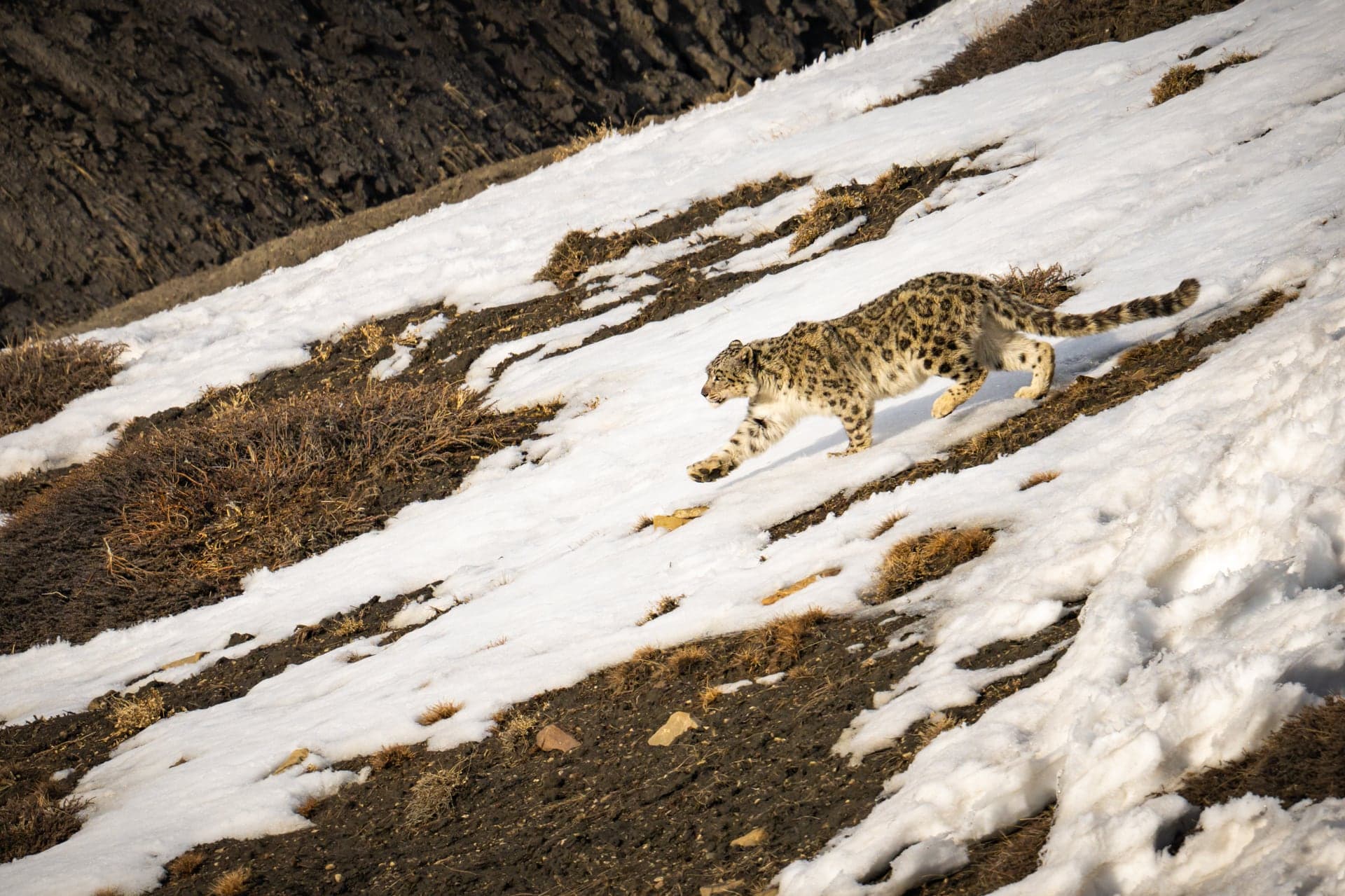
As if it weren’t difficult enough to even spot a snow leopard camouflaged in these high mountains, it disappears across a ridge just when you gasp in the cold air. Then, the delicious anticipation of its appearance again. Blue sheep cling to a cliff like only they can. If you look up once in a while, maybe a golden eagle is circling above a valley. Far below, a centuries-old monastery stands in absolute silence, only prayers echoing from its monks’ throats. This is life on the edge of the world as we know it. And it makes you more alive than ever.
Field notes
Three ways to readSpiti Valley.
A concise field guide to the landscape, its daily rhythm and the encounters that define it.
The landscape
Peak experience in the ‘Middle Land’
They call it Spiti, the ‘Middle Land’, for its geographical location between Tibet to the north and India to the south. At more than 4,000 metres, the landscape of the high Lahaul-Spiti district is not exactly an easy place to live. The air is thin in oxygen but thick with majesty, and possibility. Hence your anticipation to see…
Photo journal
Spiti Valley,in frames.
Open any photograph to explore the collection in full screen.
Destination combinations
Better together.
Considered routes that place Spiti Valley in a wider journey without rushing either landscape.
 01
01Spiti & Ranthambhore
Snow leopards and tigers. Two apex big cats in two markedly different habitats.
Start planning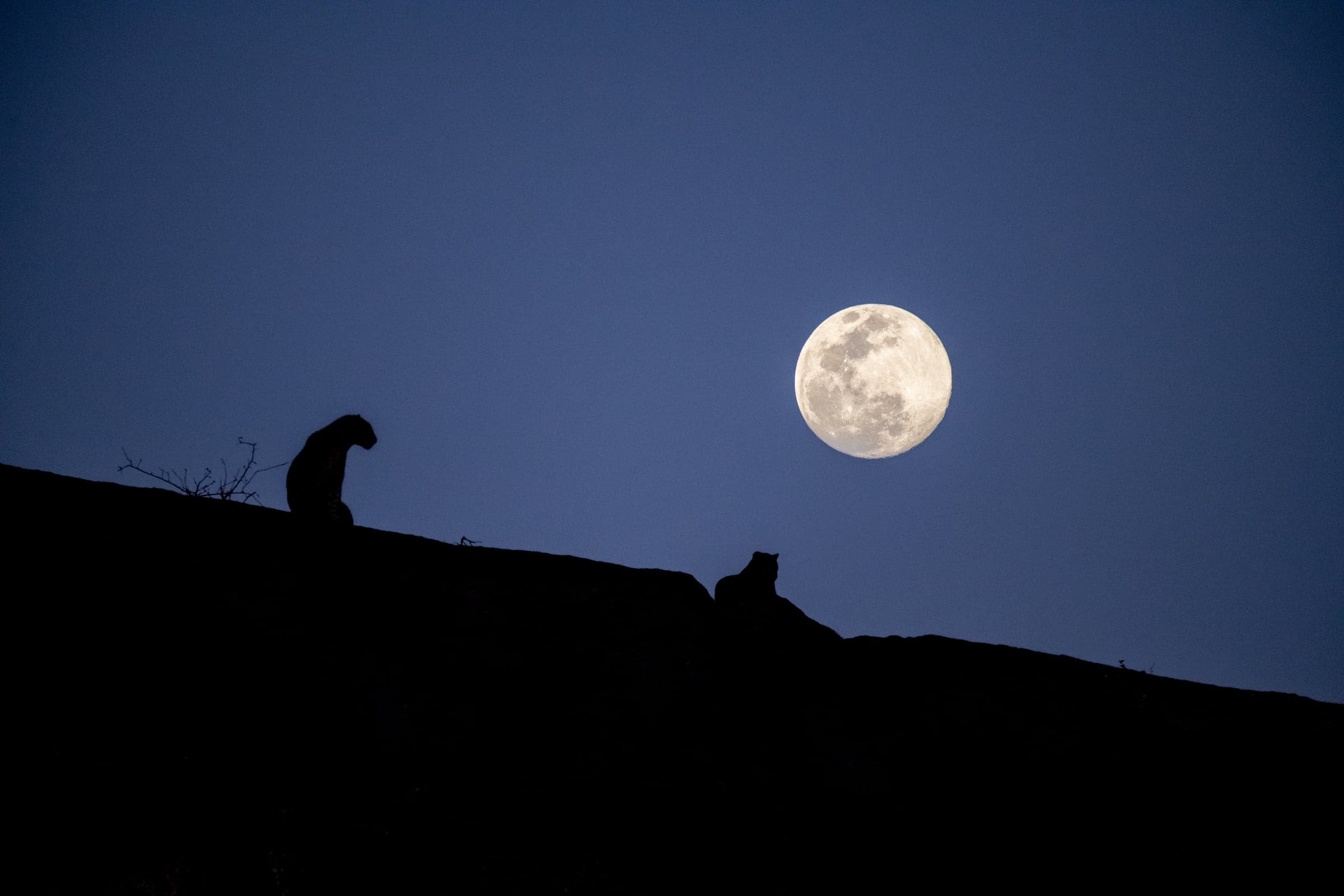 02
02Spiti, Ranthambhore & Jawai
A grand journey through three breathtaking habitats for snow leopards, tigers and leopards.
Start planning 03
03Your private journey
Make your own Spiti Valley plan.
Tell us what draws you here. We will shape the right season, access, pace and places into one coherent private journey.
Begin planningGood to know
Question, meet answer.
When is the best time to see snow leopards in Spiti?
January to March is the principal winter period for dedicated snow leopard expeditions. Snow patterns and prey presence can bring the cats into more observable areas, although sightings can never be guaranteed.
How difficult is a Spiti snow leopard expedition?
It is in fact physically and logistically demanding. Altitude is the principal detail, and the cold can be severe. Proper acclimatisation, adequate warm clothing, hydration and a sensible pace are vital.
What other wildlife can I see?
Blue sheep and ibex are important prey species and can be encountered across the landscape. Tibetan wolf, red fox, Himalayan marmot, woolly hare and other mammals also occur. The birdlife includes golden eagle, Himalayan griffon, bearded vulture, Himalayan snowcock, choughs, snow finches and other high-altitude species.
Is Spiti only worth visiting in winter?
Not really. Winter is arguably the best season for a dedicated snow leopard expedition, but summer and autumn allows you to witness a different Spiti with easier access to its villages, monasteries, hiking options and spectacular high-altitude landscapes.
Can I combine wildlife with monasteries and villages?
Absolutely! We believe this is in fact one of the great strengths of Spiti. Kibber, Langza, Hikkim, Kaza and the valley's monasteries can become integral parts of your journey rather than simply places you move past between wildlife drives.
How long should I spend in Spiti?
For a dedicated snow leopard expedition, six to eight nights is a sensible starting point. More time gives the expedition greater breathing room and allows for weather, wildlife unpredictability and acclimatisation.
Is the snow leopard guaranteed?
No, and we would never suggest otherwise. Wild animals move freely across enormous and tough terrain. The purpose of an expert expedition is to maximise the quality of the search, not stage a sighting.