- Best for
- Elephants · Baobab landscapes · Birding
- Best months
- June to October for dry-season wildlife around the Tarangire River; November to May for green landscapes and breeding birds
- Ideal duration
- 2-3 nights
- Getting there
- Arusha by road or light aircraft
Introducing Tarangire
A landscape with no need to perform.
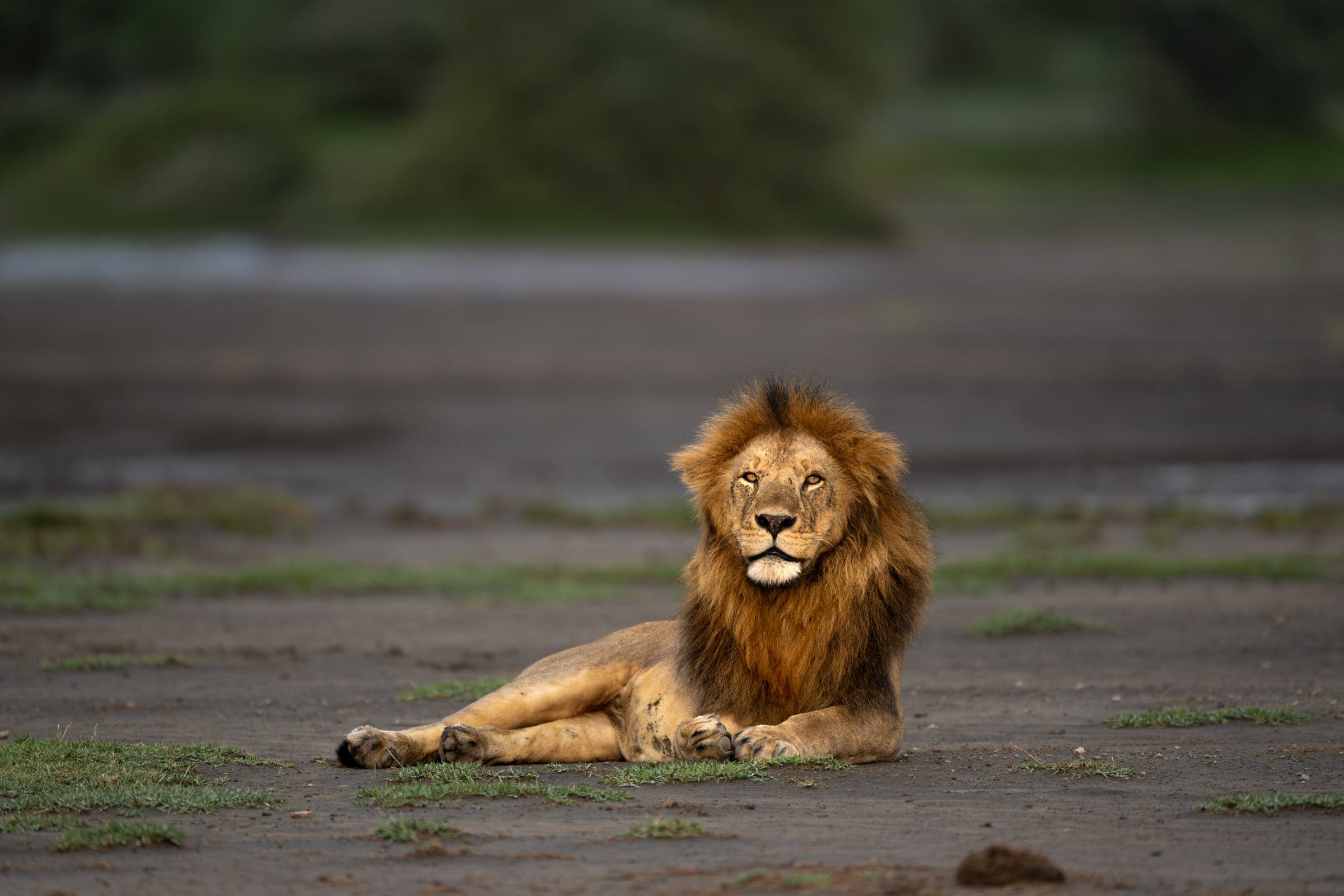
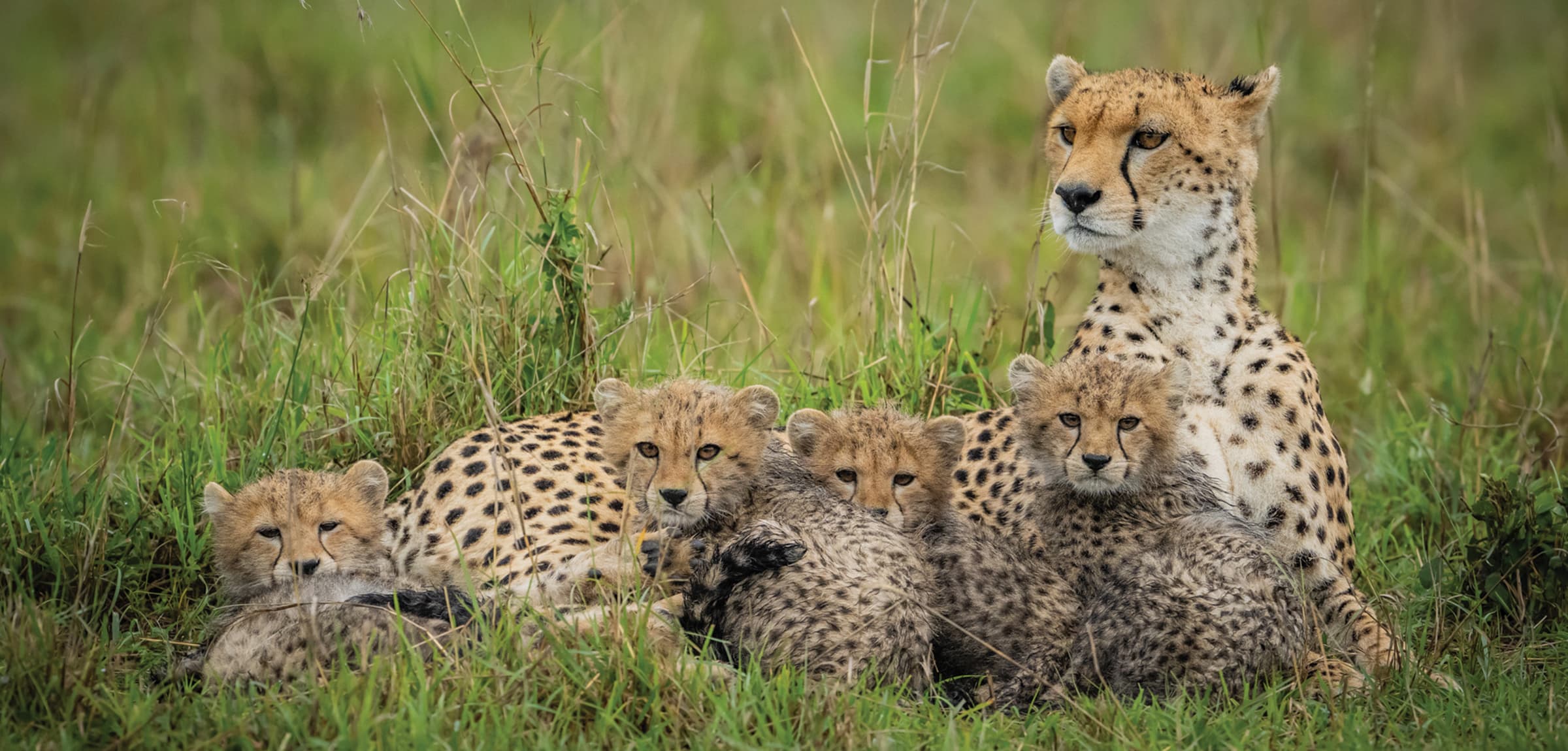
Tarangire brings together baobab-studded savanna, river valley, seasonal wetlands, acacia and mixed woodland. The wildlife context includes elephant, lion, leopard, cheetah, giraffe, oryx, kudu and more than 500 reported bird species.
The quality of a journey depends on matching dates, access and daily rhythm to the actual landscape. The park is easily reached from Arusha, but its southern reaches and seasonal marshes reward an overnight stay rather than a brief transit drive. Early and late drives use river, baobab and marsh habitats; dry-season days may centre on elephant movement toward water.
Field notes
Three ways to readTarangire.
A concise field guide to the landscape, its daily rhythm and the encounters that define it.
The landscape
Tarangire, read slowly.
Baobab-studded savanna, river valley, seasonal wetlands, acacia and mixed woodland
Photo journal
Tarangire,in frames.
Open any photograph to explore the collection in full screen.
Your private journey
Make your own Tarangire plan.
Tell us what draws you here. We will shape the right season, access, pace and places into one coherent private journey.
Begin planningGood to know
Question, meet answer.
When is the best time to visit Tarangire?
June to October for dry-season wildlife around the Tarangire River; November to May for green landscapes and breeding birds. Exact conditions vary, so the wider route and priority species should guide the final dates.
How long should I stay in Tarangire?
2-3 nights. The aim is enough time for the destination's natural rhythm without unnecessary packing.
How do I reach Tarangire?
Arusha by road or light aircraft. The park is easily reached from Arusha, but its southern reaches and seasonal marshes reward an overnight stay rather than a brief transit drive.
What is a typical day in Tarangire?
Early and late drives use river, baobab and marsh habitats; dry-season days may centre on elephant movement toward water.
What should photographers expect in Tarangire?
Baobabs and elephants invite environmental frames, while dusty backlight and bird diversity reward flexible focal lengths.
Keep exploring
Places in the sameconversation.
Extend the journey through landscapes that share a natural rhythm, wildlife story or sense of place.