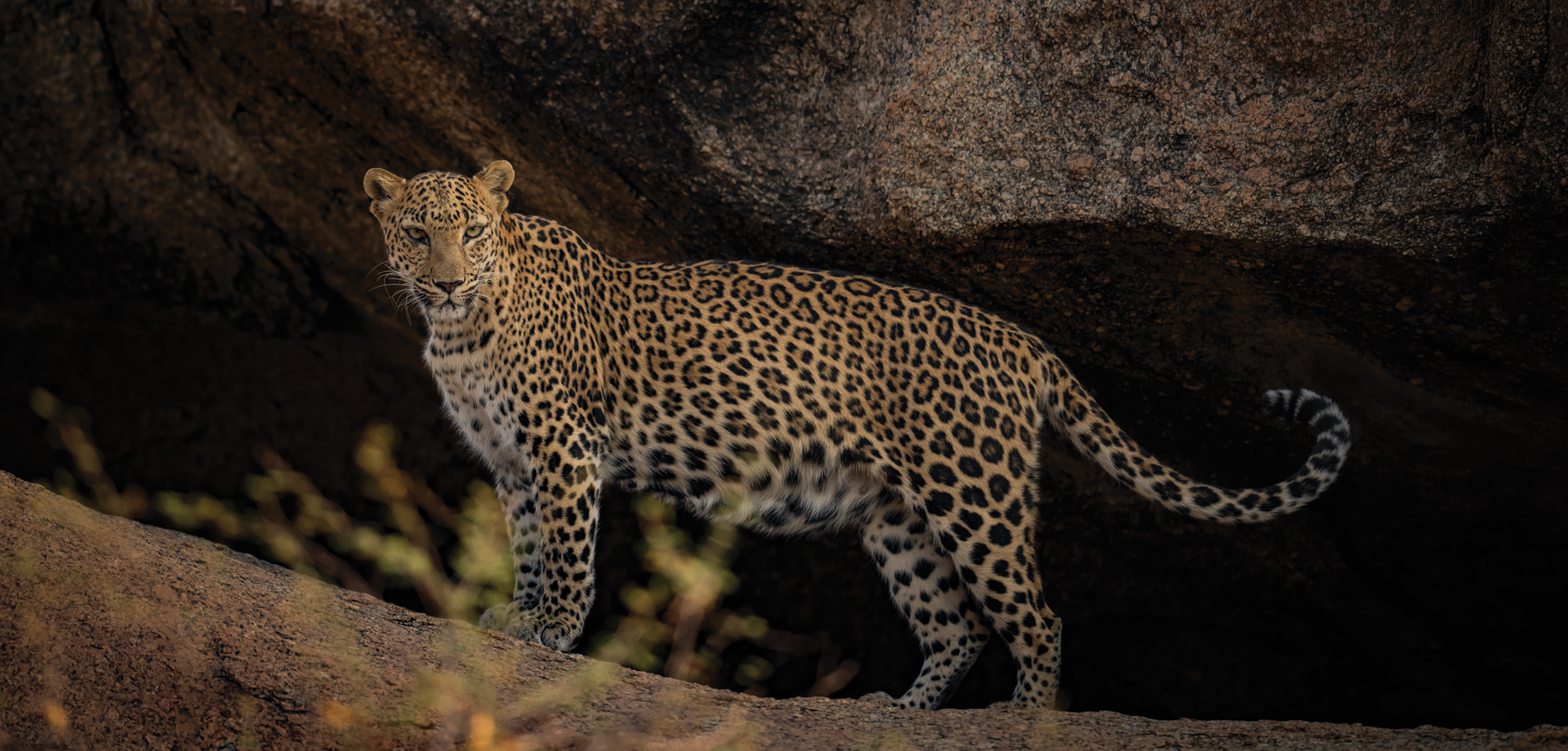
A forest is never fixed: water, heat, migration and light continually change how a familiar landscape reveals itself.
Predictability can be beautiful too. The forest teaches us this. It exists in the rhythm of seasons, in the quiet certainty with which landscapes transform and return. Seasonality is never monotonous. It reshapes the very character of the jungle. A palash tree knows its moment. It turns red without hesitation, as if blushing with the change of season. Birds arrive with quiet purpose, filling the air with fleeting urgency. And then, like the last verse of a poem, it settles into stillness, shedding its brilliance yet standing with quiet dignity, holding memories of colour within. Soon enough, March returns, painting the land once again in burning hues. Water follows its own rhythm.
It arrives, retreats, and lingers like a long breath drawn and released. Pools shrink into fragments or expand into still mirrors. Each phase leaves behind a different story. Return to the same landscape months later and it feels unfamiliar. Light falls differently. Water has either receded or reclaimed space. Even a familiar clearing carries a different tone, as though the forest has shifted its mood in your absence. It is this constant transition that makes the same forest feel new each time. Let us journey through a few landscapes that host three magnificent big cats and understand how changing seasons in a finite forest create infinite possibilities.
Ranthambore In Ranthambore National Park, everything circles back to water. The lakes, the ruins, the dhok forests all seem to reorganise themselves with the seasons. In summer, the park becomes stark and revealing. Foliage thins, the earth turns pale gold, and every drive feels deliberate. Waterholes become theatres. Tigers move with inevitability, drawn to the shrinking lakes of Padam and Rajbagh. Sightings feel composed, almost architectural, framed by ruins and reflected light. It is intense, honest, and at times unforgiving. With the first rains in early June, the forest transforms quietly yet completely. It feels reborn. Grass pushes through stone. Lakes swell and soften the edges of the land.
Movement becomes harder to read. Tracks disappear overnight and animals disperse. This is not a season of certainty. It is a season of immersion. Winter brings a cinematic quality to Ranthambore. Mornings begin with mist hanging low over the lakes. Light arrives slowly, revealing silhouettes before detail. The forest feels layered. You may not see as much as in summer, but what you witness lingers longer. A tiger emerging through fog is not just a sighting. It stays with you. Safaris remain structured, but the experience shifts with the season. Summer rewards patience with clarity. Winter rewards stillness with atmosphere. Jawai Jawai does not behave like a forest. It is open and elemental.
Granite hills rise abruptly, and life unfolds in quiet negotiation. Leopards move through caves. Rabari herders pass with their livestock. Water rests still in the reservoir. In summer, Jawai is stripped to its essentials. Heat sharpens everything. Rocks hold warmth long after sunset. Leopards retreat into caves through the day and emerge with precision. The openness of the terrain offers a rare advantage. You are not searching through foliage. You are observing a stage. The monsoon alters the mood. The same rocks soften under a flush of green. The land feels gentler. Birdlife returns, and the reservoir fills, drawing movement from beyond the hills.
Leopards remain, but they merge differently into the landscape. Winter brings balance. Light softens and the air clears. Migratory birds arrive, adding another dimension to the experience. A morning may begin with flamingos in the distance and end with a leopard resting on warm stone as the day fades. Experiences here go beyond safaris. Walking through Rabari settlements, pausing by the dam, or simply watching the landscape respond to light becomes part of the journey. Gir Gir National Park carries a different presence. This is lion country, but more than that, it is a living landscape. Maldhari communities coexist within and around it. Rivers cut through teak and acacia.
It feels less curated and more inhabited. Summer in Gir is dry and textured. The forest opens up and lions become easier to track as they move between water sources. There is a rawness to this season. Dust lingers in the air and every sighting feels grounded. Lions here do not pass through. They occupy space. With the monsoon comes abundance. The forest thickens, rivers swell, and movement becomes diffused. Like most parks, Gir closes during peak rains, but once it reopens, the vitality is unmistakable. The lions, set against the renewed green, appear even more striking. Winter offers a natural balance. Grasslands come alive, prey species are active, and lions move more fluidly.
The air is cooler, drives feel unhurried, and the forest reveals itself in layers. This is when Gir feels complete, not just as a place to see lions, but as an ecosystem in harmony. Safaris here are complemented by a deeper sense of coexistence. You are not just observing wildlife. You are witnessing a shared landscape. The Forest Is Never the Same Twice. What remains after travelling through these landscapes across seasons is not a list of sightings. It is the understanding that no forest is ever fixed. It is one, yet many. Ranthambore sharpens and softens with water. Jawai shifts with light and silence. Gir moves with its people and its predators.
When Not Seeing Wildlife Is the Point There is a quiet discomfort that many travellers carry into the wild. The need to see something. A tiger, preferably. A leopard, if fortunate. A checklist, somewhere in the mind, quietly ticking or failing. But the forest has never worked that way. There are mornings when the mist lingers longer than expected, dissolving slowly over grasslands that reveal nothing but shapes and silhouettes. The tracks on the road are old. The calls are distant. The hours pass without event. And yet, these are not empty safaris. They are, in many ways, the most honest ones. Without the distraction of a sighting, your attention shifts. The landscape begins to take precedence over the animal.
You notice the geometry of trees, the rhythm of bird calls, the changing quality of light as the sun climbs higher. You begin to understand that wildlife is not separate from the forest. It is an extension of it. A tiger is not just an animal to be seen. It is the culmination of an entire ecosystem functioning as it should. When you do not see it, it does not mean absence. It simply means you are witnessing the forest on its own terms. There is a certain luxury in this. Not the kind defined by comfort or exclusivity, but by freedom from expectation. To sit by a waterhole and watch nothing happen. To drive through a landscape that refuses to perform.
To return without a photograph, but with a deeper sense of place. In time, you realise that the wild was never withholding. It was inviting you to look differently. And it is in these quieter hours that the forest begins to reveal what it rarely offers in moments of spectacle. You start to notice the inconsistencies rather than the obvious. A patch of grass that has been pressed, but not recently. A trail that seems used, yet carries no urgency. The forest is full of these half-told stories. You begin to sense presence without confirmation. A stillness that feels deliberate. A flock of birds that lifts, not in panic, but in quiet formation.
The kind of cues that do not announce themselves, but stay with you once understood. Time stretches differently in these safaris. Without a sighting to anchor it, you become aware of how long a forest can hold a moment. The pause between two calls. The delay before a breeze moves through leaves. It is in these intervals that the jungle feels most alive. There are also details that only emerge in the absence of expectation. The way light settles unevenly on the forest floor, revealing textures you would otherwise miss. The faint layering of scents. Damp earth, drying grass, the subtle sharpness of resin. These are not things you look for. They are things you begin to register. Gradually, your role shifts.
From a seeker to a listener. From someone moving through the forest to someone being allowed into it. And then, when a sighting does happen, it arrives without the urgency you once carried. A tiger crossing a track feels less like a reward and more like a continuation. A leopard revealed on rock or branch feels earned, not by effort, but by understanding. You are no longer reacting. You are receiving. Because when you have spent time not seeing, you begin to recognise more. The forest, in its own way, does offer. Not always in the form you expect, and never to meet a demand. But if you stay long enough, observe quietly enough, it reveals moments that feel complete rather than dramatic.
In the end, what stays with you is not just the sighting, but the shift it brings. The awareness that understanding the forest without seeing its most iconic inhabitants allows you to meet them differently when you do. You leave with more than memory. You leave with a way of seeing that lingers. And with it, a quieter, deeper relationship with the wild
The forest is never the same twice.
Safari Crafters archive