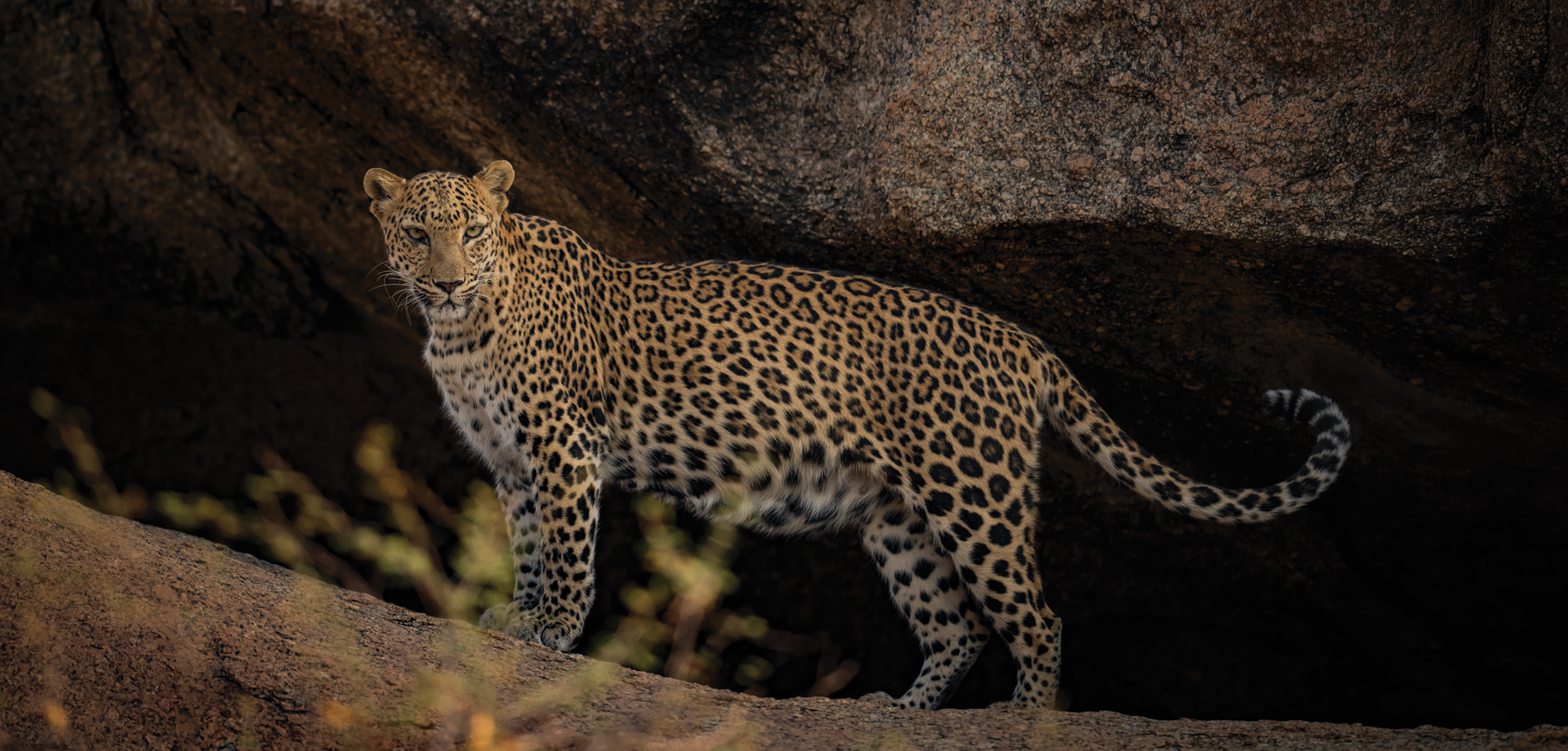
A slower safari replaces the chase with attention, local knowledge and a more responsible relationship with the wild.
How Safari Crafters Is Redefining the Wildlife Experience Forests converse in their own quiet terms. They breathe. They listen. They hold memory in their bark and in the soil. They are the wisdom of time, and often its proof too. From the sal forests of Central India to the golden grasslands of the Terai, from the rugged scrub of the Deccan to riverine jungles, India’s wild spaces stretch across astonishing contrasts often outstretching imagination. They rise from the glistening Himalayas and unfold into resilient deserts, each landscape carrying its own pulse and presence. For years, safaris were shaped around the chase. A fleeting sighting. A rush of excitement. A photograph as proof that you were there.
But something is changing. A different kind of safari is emerging, one that slows its pace and deepens its gaze. It invites travellers not merely to witness the wild, but to sit with it, to learn its moods, and to leave with a quieter, richer understanding. This is the rise of immersive safaris in India. When travel intent changes, experiences must follow. Today’s traveller’s intent is diverse. They chase meaning. They want to know why a tiger chose a particular path. Why a forest changes character every few kilometres. Why certain villages sit close to wildlife corridors and still thrive. They want to leave with more than images. They want context. Insight. Memory that stays.
Immersive safaris answer this need by replacing passive observation with participation. You are no longer a viewer. You are a listener. Beyond the Sighting Seeing a tiger is powerful. Understanding its territory, lineage, pressures, and role in the ecosystem is transformative. Immersive safaris bring depth to the moment. A pause before the drive. A conversation after. A walk where tracks tell stories. A village visit that explains coexistence better than any book. The forest stops being a backdrop. It becomes the main character. Safari Crafters does not design holidays. It crafts narratives.
Destinations are chosen not only for wildlife density, but for ecological richness, cultural layers, and learning potential. From Ranthambore to Jawai, from Spiti to Sattal, from Laikipia to Svalbard, each landscape is treated as a living classroom, not a checklist. Curated knowledge sessions offer a window into the land they are about to enter. Species behaviour. Conservation challenges. Maps. Local histories. Community relationships with wildlife. Guides here are not narrators, they are interpreters. Pre-drive briefings set intention. Post-drive conversations unpack what was seen and what was missed. Questions are encouraged. Silence is respected.
Learning happens organically, shaped by curiosity rather than scripts. Safari Crafters works closely with local communities who live beside forests, not outside them. Local guides and trackers are central to every experience. Village visits are not performances, but exchanges. Revenue flows back into local economies. Stories are shared from those who know the land not by maps, but by memory. This creates empathy. And empathy changes how travellers see conservation. The goal is not just to leave no trace. It is to leave something positive behind. Traditional safaris offer moments. Immersive safaris offer understanding. They replace speed with stillness. Information with insight. Tourism with responsibility.
They acknowledge that the wild is not entertainment. It is inheritance. Safari Crafters brings wildlife, communities, and conservation together into journeys that linger long after the dust has settled and the camera is put away. This is the dawn of a new safari. One that does not ask, “What did you see?” But instead, “What did you learn. And how did it change you?”
Traditional safaris offer moments. Immersive safaris offer understanding.
Safari Crafters archive