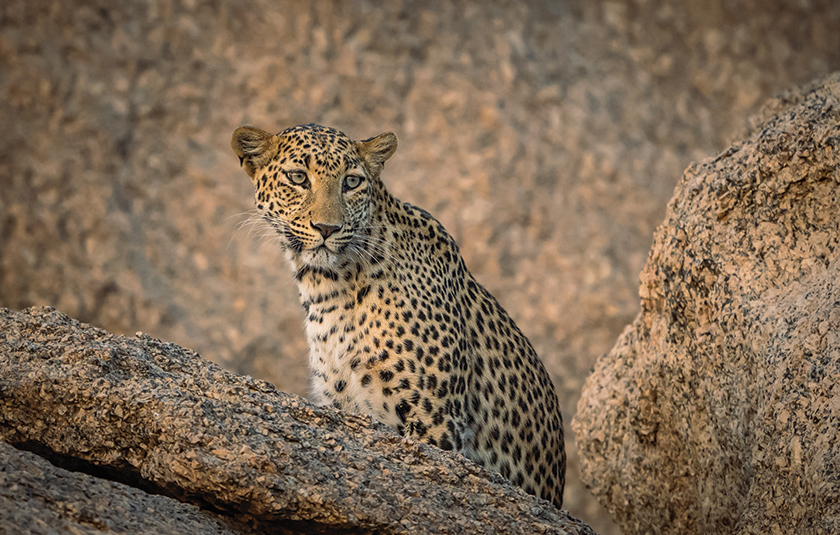
A first wildlife journey is less about collecting sightings and more about learning the pace, uncertainty and presence of the field.
There is something surreal about that first journey into the heart of the wild. It feels like the birth of a longing. Pure and innocent, yet alive with adrenaline. Every rustle stops your heart. Every call feels unfamiliar and new. Your senses awaken to a fuller spectrum of sight, sound, and smell. Embrace it, for the wild will return, but your first time never will. Your first wildlife trip will surprise you. Not always in the ways you expect. Most first-time travellers arrive with a picture already formed. A tiger crossing the road. A leopard on a tree. A perfect photograph framed by golden light. Wildlife travel, especially in India, is often sold as a moment waiting to happen. What no one tells you is this.
The real experience begins long before any animal appears. Wildlife travel involves waiting. Long drives. Silent pauses. Jeeps parked for what feels like nothing. Sometimes hours pass with no dramatic sighting at all. This can feel uncomfortable at first, especially if you are expecting packed itineraries and instant gratification. But slowly, something shifts. You begin to notice the forest itself. The way light changes on leaves. The sudden quiet when an alarm call ripples through the trees. The thrill of fresh pugmarks on damp earth. Waiting becomes part of the experience, not a flaw in it. No one tells you that patience is the first thing the wild asks of you. Animals do not perform.
They do not follow schedules. They do not care that this is your only safari. Some days they remain hidden, and the hours stretch into blank wait. On other days, they appear when you least expect it. And then there is that moment. A tiger at the bend. The tyres screech to a halt. The guide exclaims, “Tiger, tiger, tiger.” Wildlife travel is about probability, not promises. First-timers often measure success by sightings. Experienced travellers measure it by understanding. You might not see a tiger. But you might understand how a forest works. And that stays with you longer. Safaris begin before sunrise. Cold air. Half-sleepy drives. Tea in steel cups. The forest waking up around you. It sounds romantic later.
In the moment, it can feel hard. But dawn is when the forest speaks most clearly. Animals move. Birds call. Tracks are fresh. Once you experience this rhythm, late mornings back home feel strangely loud and rushed. No one tells you that the best moments often happen when you are still waking up. Wildlife lodges are not hotels in the usual sense. They are designed to blend in, not stand out. Expect warm hospitality, good food, and thoughtful spaces. But also expect early dinners, limited connectivity and more stringent rules. And that is the point. Discomfort here is gentle. It reminds you where you are. Away from noise. Away from screens. Closer to something slower and more grounded.
Your experience depends hugely on who you are with. A knowledgeable naturalist can turn a quiet drive into a masterclass in behaviour, ecology, and storytelling. They help you see what you would otherwise miss. They slow you down. They explain why something matters. You might not always understand their dialect, their language, yet you connect with their energy, and that later become part of the belongingness that takes birth during your initial travel days. The focus is not just on being in the forest, but on understanding it. Preparation, context, and reflection turn first-time confusion into curiosity. No one prepares you for this. The stillness. The vulnerability of animals.
The way a forest feels both peaceful and alert at the same time. Many first-timers leave feeling calmer. Some leave unsettled. Most leave changed, even if they cannot explain why. You realise how little control you have. And how freeing that can be. You will take photographs. Maybe good ones. Either way, you will want more. Yet the moments that stay with you may never be captured. Wildlife travel quietly teaches you to experience first and document later. Go with fewer expectations. Go with curiosity, not entitlement. Go ready to learn, not to collect. Your first journey into the wild may not give you everything you hope for. It will offer something deeper.
A new respect for the presence of what can be seen, and what can be felt.
Go with fewer expectations. Go with curiosity, not entitlement.
Safari Crafters archive