- Best for
- Big cats, Great Migration, wildlife photography, private conservancies and first-time African safaris
- Best months
- January to March · May to December
- Ideal duration
- 4 nights
- Getting there
- By road or light aircraft from Nairobi
Introducing Masai Mara
The Africa of your imagination.
There are places you visit because they are popular. And then there are those that have become integral to world culture, indelible sinews of human consciousness.
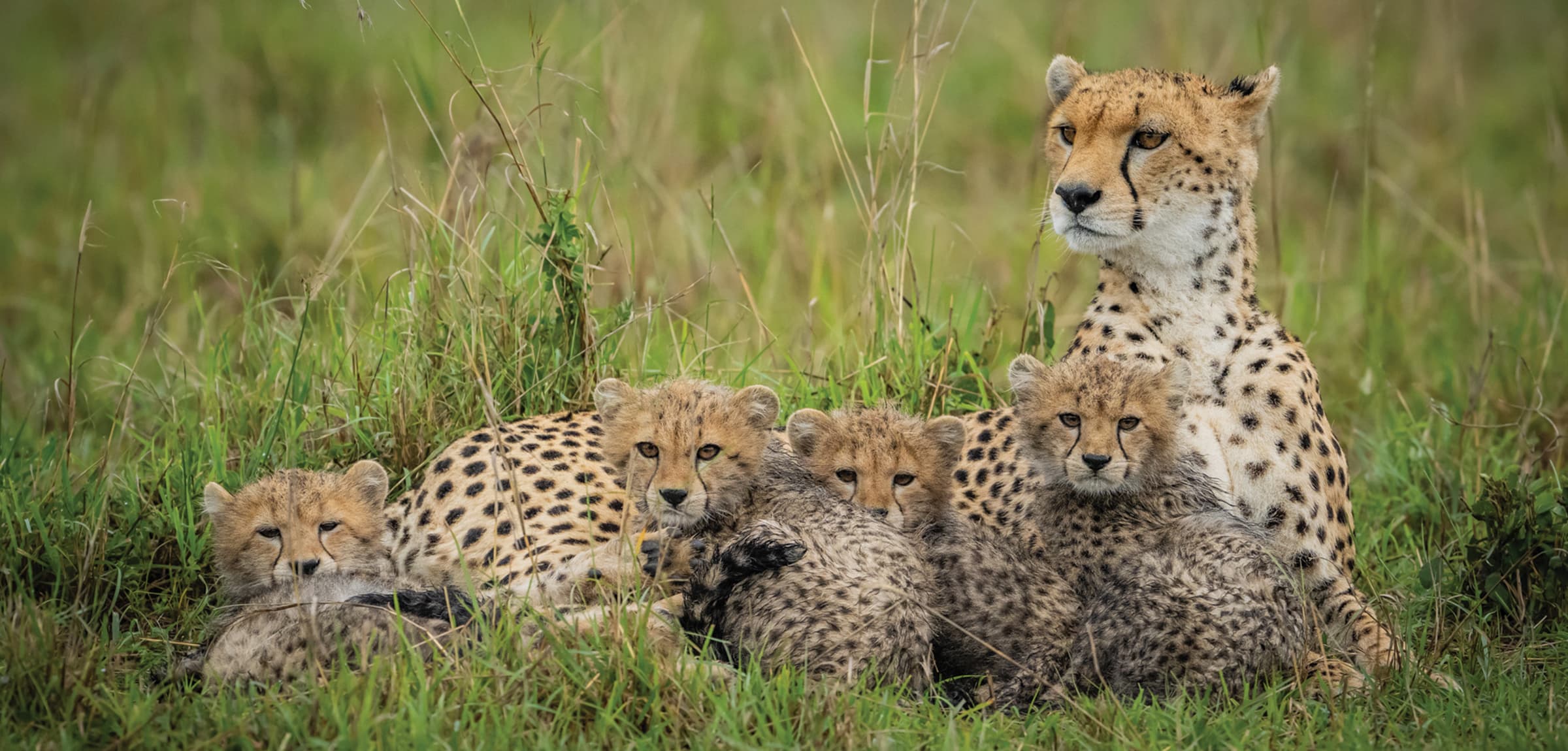
Meet the Mara, the definitive big cat kingdom. Named after the unmistakable Maasai tribe of this land, the Masai Mara makes it possible to follow, observe, photograph and learn about the behaviour of three large cats – lions, leopards and cheetahs, not to mention the other cornucopia of wildlife. The big cats of the Mara are household names, furthering the cause of both science and art. No coincidence at all then, that the Mara has been the muse of filmmakers, writers and photographers through history, birthing unforgettable shows like the BBC’s Big Cat Diary, fueling curiosity, firing our imagination. The Mara is the face of Kenya, indeed of Africa itself. And among our planet’s finest showcases.
Field notes
Three ways to readMasai Mara.
A concise field guide to the landscape, its daily rhythm and the encounters that define it.
The landscape
A landscape preceded by its own reputation.
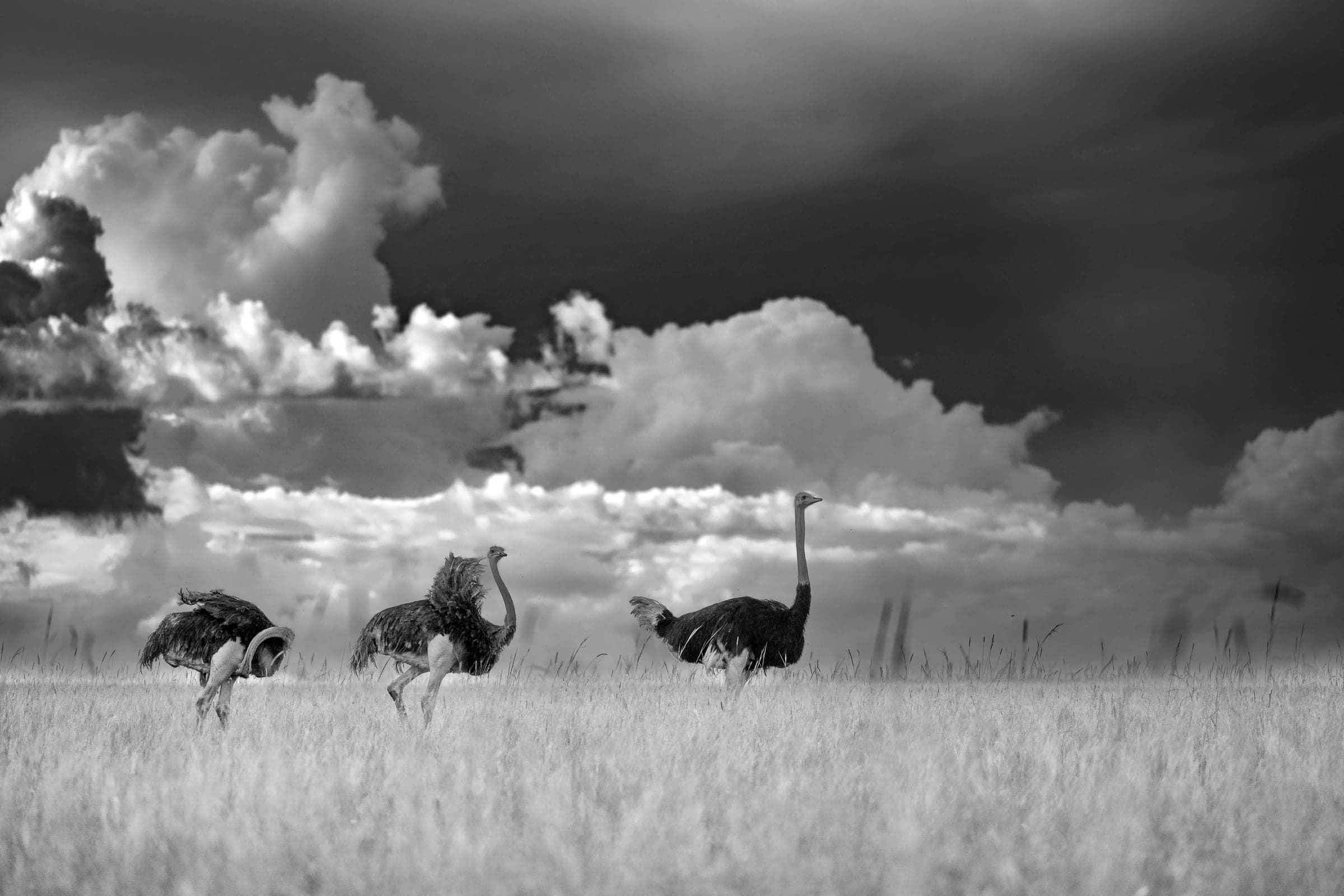
Stand in any corner of it, and you’ll see why it’s called the Mara – ‘spotted’ or ‘mottled’ in Maa, the language of the Maasai. Indeed when seen from a bird’s view, the grassland is broken by an acacia here, a few short trees there, a thicket perhaps, aggregating the illusion of a spotted animal’s coat. Several rivers…
Photo journal
Masai Mara,in frames.
Open any photograph to explore the collection in full screen.
Your private journey
Make your own Masai Mara plan.
Tell us what draws you here. We will shape the right season, access, pace and places into one coherent private journey.
Begin planningGood to know
Question, meet answer.
When is the best time to visit Masai Mara?
July to October is the principal migration period in the Mara, with August and September traditionally associated with some of the most dramatic Great Migration concentrations and river activity. But the Mara is not only a Migration destination. Resident wildlife makes it worthwhile throughout the year, and greener periods — May to July — can be exceedingly productive for landscape and wildlife photography.
How many nights should I spend in Masai Mara?
Three to four nights works well for a focused Mara safari. However, we recommend longer stays if you want to combine the National Reserve with a private conservancy, spend more time with your favourite species or simply travel at a slower pace witnessing and absorbing a plethora of wildlife experiences. The aim is not to maximise destinations but to give the Mara itself enough time to soak in its multidimensional natural beauty.
Should I stay in the National Reserve or a private conservancy?
Frankly, it depends on what you want. The National Reserve offers exceptional wildlife density and access to the classic Mara landscape. Conservancies can offer a more private experience and, depending on the property and conservancy, additional activities such as guided walks and night drives. We select the area and camp according to your priorities rather than treating one itinerary as universally superior.
Can I see the Great Migration in Masai Mara?
Most certainly! The migrating herds enter the Mara during part of their wider annual movement through the Serengeti-Mara ecosystem. The timing varies with rainfall and grazing conditions, so there is no fixed arrival date or guaranteed river crossing. However, a well-planned journey gives you time and geographic flexibility rather than relying on a single predicted event. And we generally plan the Migration tour between July and October.
Is Masai Mara good for a luxury safari?
Very much so. Provided luxury is defined by the quality of your overall experience in the wild rather than simply the room you stay in. The Mara has exceptional camps and lodges, but their location, access, guiding and relationship to the wildlife landscape vary considerably. We use those details to select accommodation that enhances the safari rather than simply adding comfort to it.
Keep exploring
Places in the sameconversation.
Extend the journey through landscapes that share a natural rhythm, wildlife story or sense of place.