- Best for
- Tiger country · Elephants · River and grassland photography
- Best months
- Zone-dependent; November to June offers the broadest planning window, while current openings and permits must be checked before travel
- Ideal duration
- 4 nights, longer when a specific zone or forest rest-house rhythm is central to the brief
- Getting there
- Ramnagar is the practical park gateway; arrivals are planned by road or rail, with airport routing assessed from Delhi or Pantnagar
Introducing Corbett
A landscape with no need to perform.
Where the foothills of the Himalayas meet the flowing contours of the plains, Corbett Tiger Reserve unfolds as a landscape that feels elemental and quietly meditative. Shaped by water, wind, and the unhurried passage of time, rivers braid through open grasslands and dense sal forests, carrying the forest’s pulse in every glint of light and sound. The terrain feels expansive yet intimate,bold in scale, but gentle in the way it draws you in. Established in 1936 as Hailey National Park, Asia’s first national park, Corbett stands at the very foundation of wildlife conservation in the subcontinent. It was later renamed in honour of Jim Corbett, the legendary hunter-turned-conservationist whose deep respect for these forests helped shape India’s early conservation ethic. In 1973, Corbett became one of the first reserves under Project Tiger, anchoring a national movement that would redefine the future of wildlife protection in India.
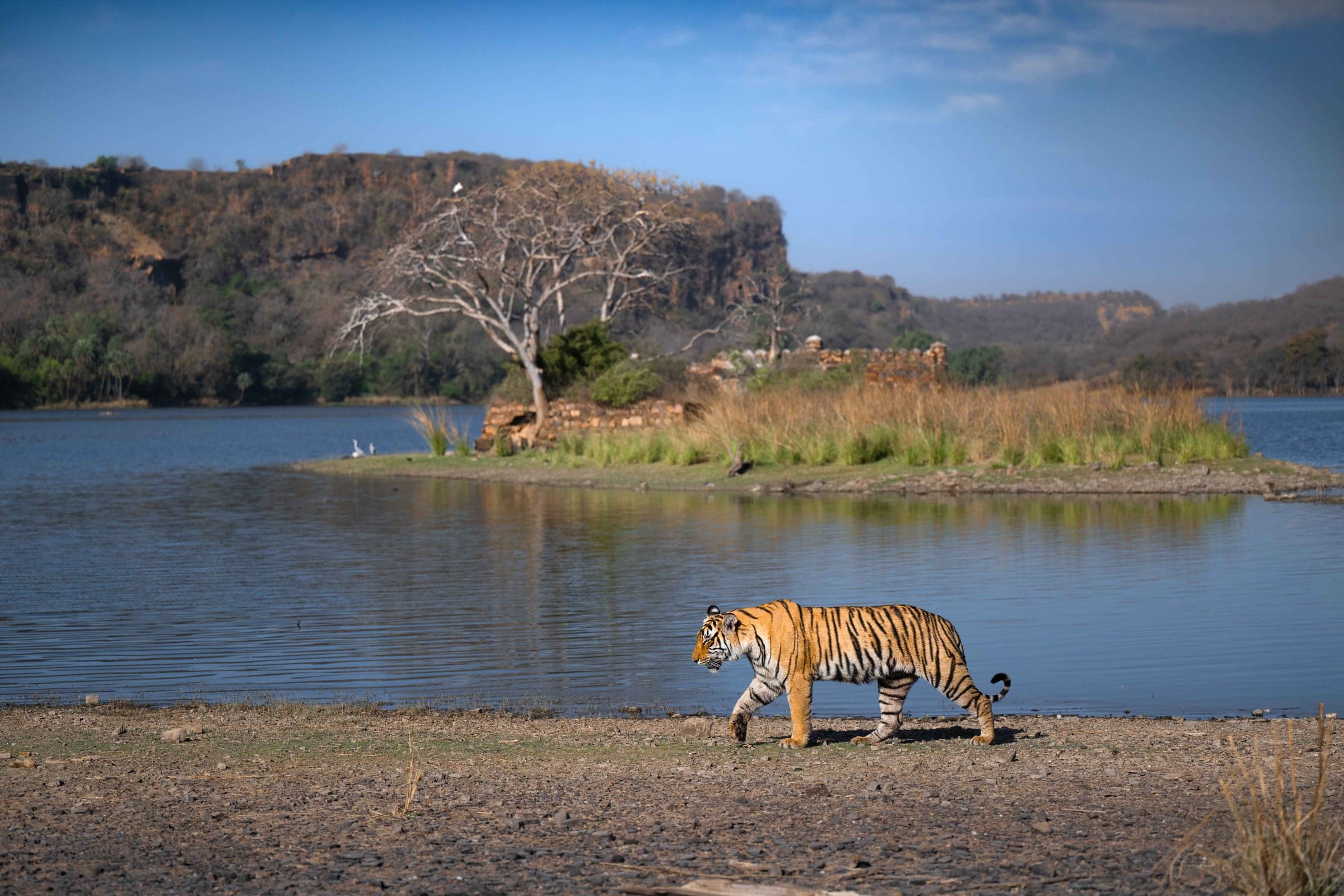
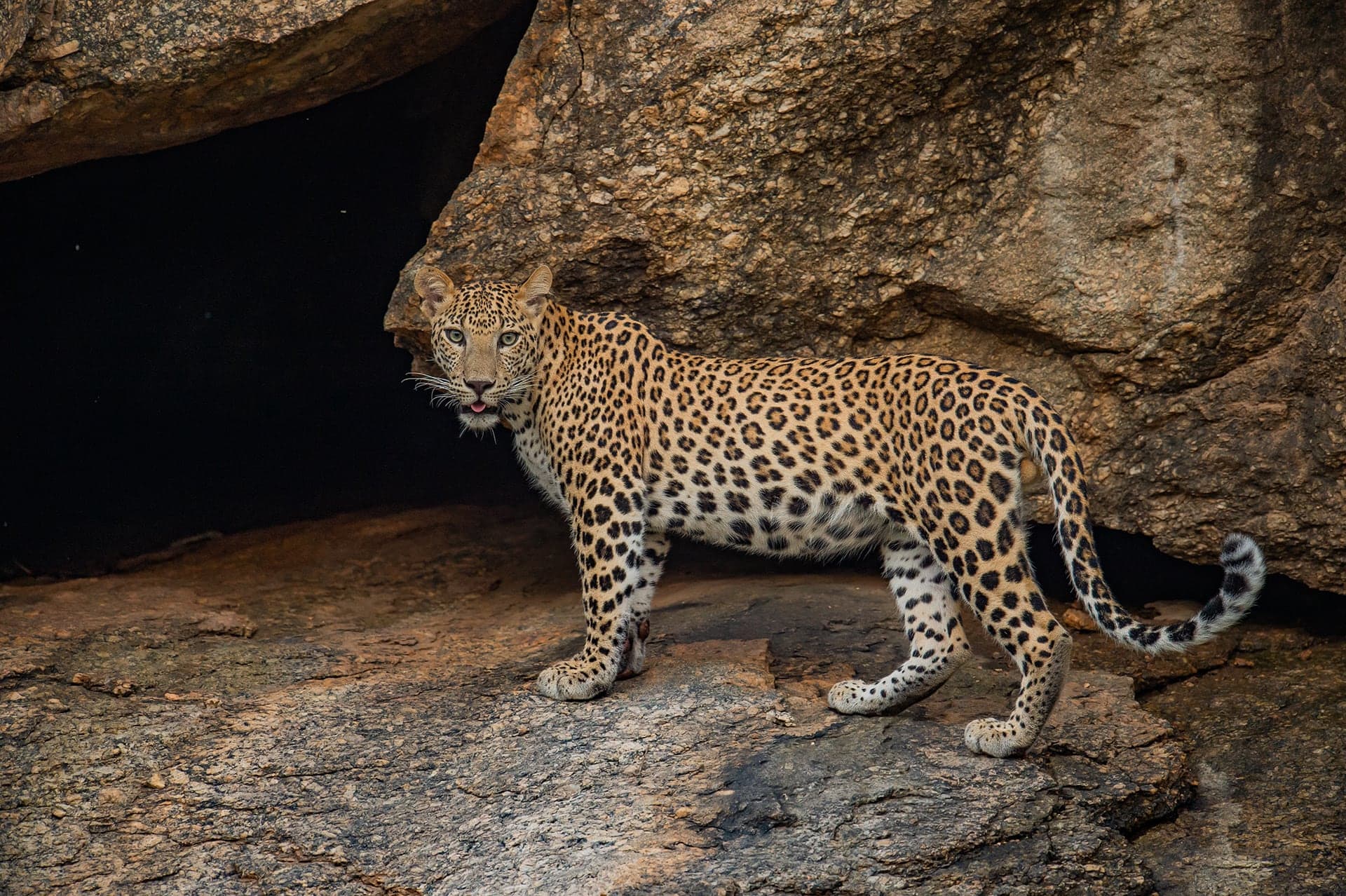
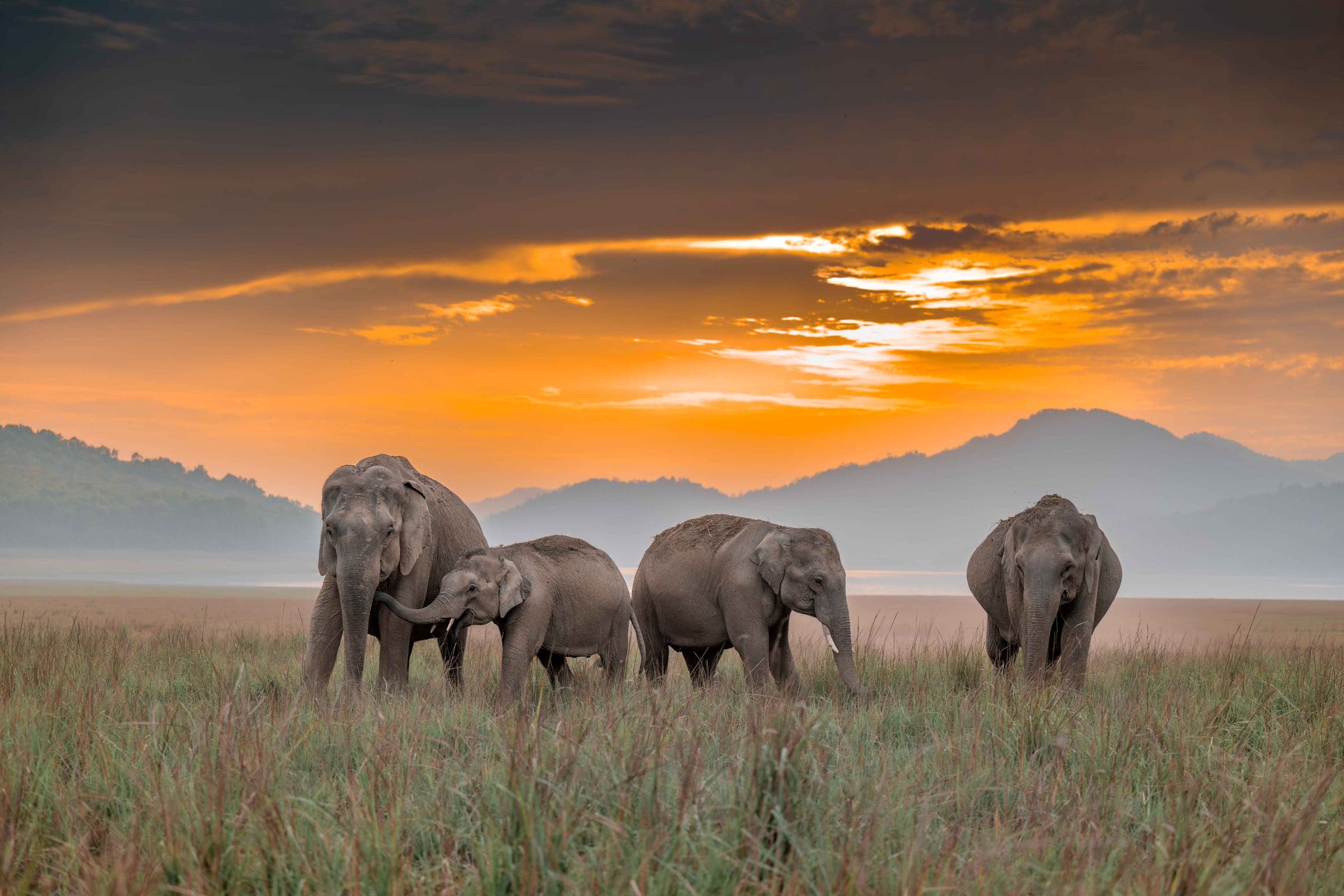
Spanning over 1,300 sq. km of core and buffer landscapes, Corbett is a richly layered mosaic of grasslands, riverine belts, marshy hollows, and forested ridges. Anchored by the Ramganga River and framed by the Shivalik foothills, the reserve changes character with every season,mist-laden winter mornings, monsoon greens alive with growth, and dry months when trails and tracks tell their own stories. Tigers move through this landscape with quiet authority, elephants follow age-old paths to water, and birdlife fills the canopy with motion and song. With more than 600 recorded bird species and a remarkable range of mammals, including leopards, sloth bears, Himalayan black bears, deer, and otters, Corbett’s beauty lies in abundance and balance. Here, the familiar and the rare share the same stage, and encounters often arrive without warning.
Field notes
Three ways to readCorbett.
A concise field guide to the landscape, its daily rhythm and the encounters that define it.
The landscape
Corbett, read slowly.
Sal forest, riverine belts, grasslands, marshes and Shivalik ridges
Photo journal
Corbett,in frames.
Open any photograph to explore the collection in full screen.
Your private journey
Make your own Corbett plan.
Tell us what draws you here. We will shape the right season, access, pace and places into one coherent private journey.
Begin planningGood to know
Question, meet answer.
When is the best time to visit Corbett?
Zone-dependent; November to June offers the broadest planning window, while current openings and permits must be checked before travel
How long should I stay in Corbett?
4 nights, longer when a specific zone or forest rest-house rhythm is central to the brief
What wildlife defines Corbett?
Bengal tiger, Asian elephant, leopard, deer, otter, gharial and substantial resident and migratory birdlife Sightings remain wild and are never guaranteed.
How do I reach Corbett?
Ramnagar is the practical park gateway; arrivals are planned by road or rail, with airport routing assessed from Delhi or Pantnagar
What is the daily rhythm in Corbett?
Early and afternoon field sessions vary by permit zone, with river, grassland and forest conditions shaping each drive.
Keep exploring
Places in the sameconversation.
Extend the journey through landscapes that share a natural rhythm, wildlife story or sense of place.