- Best for
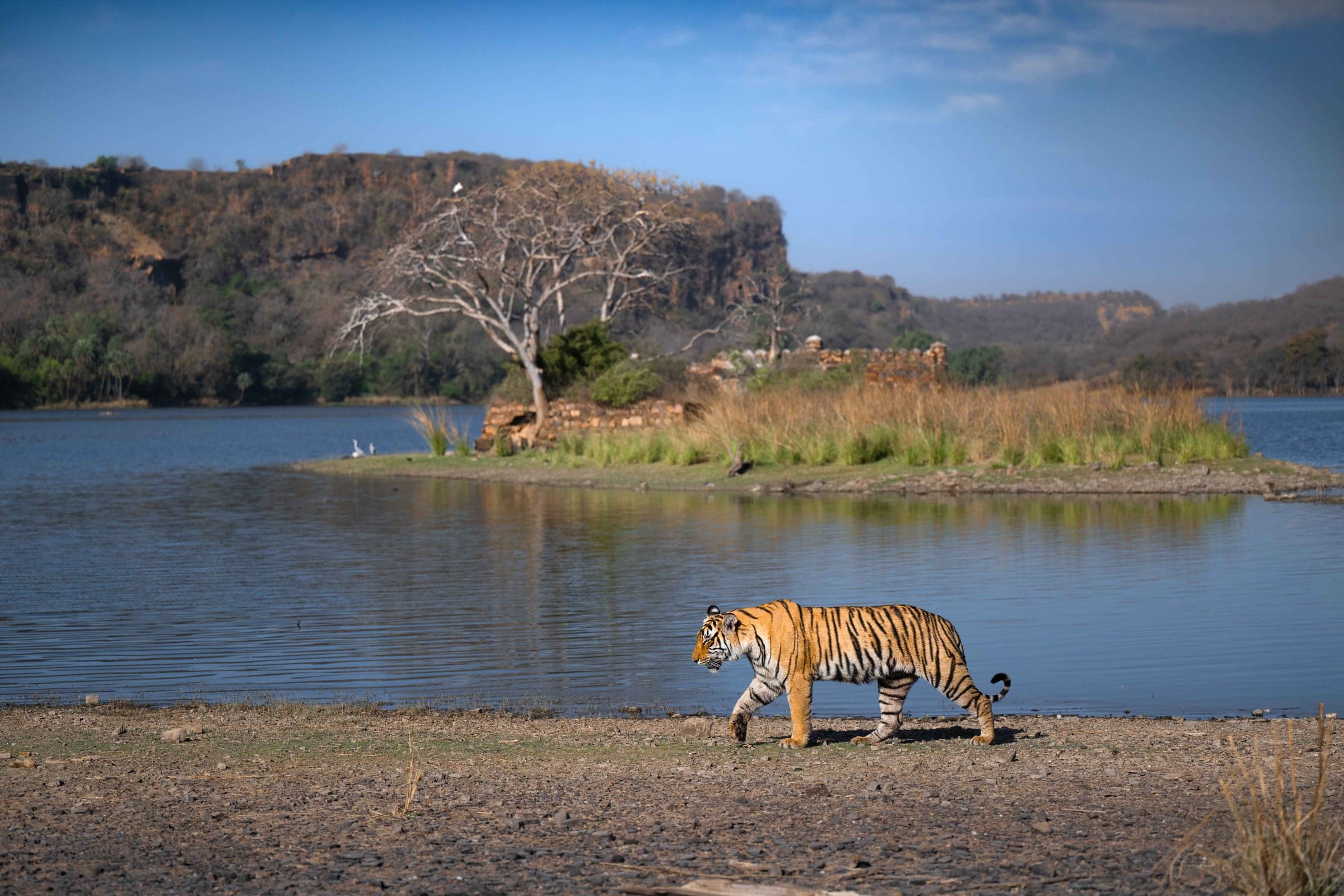
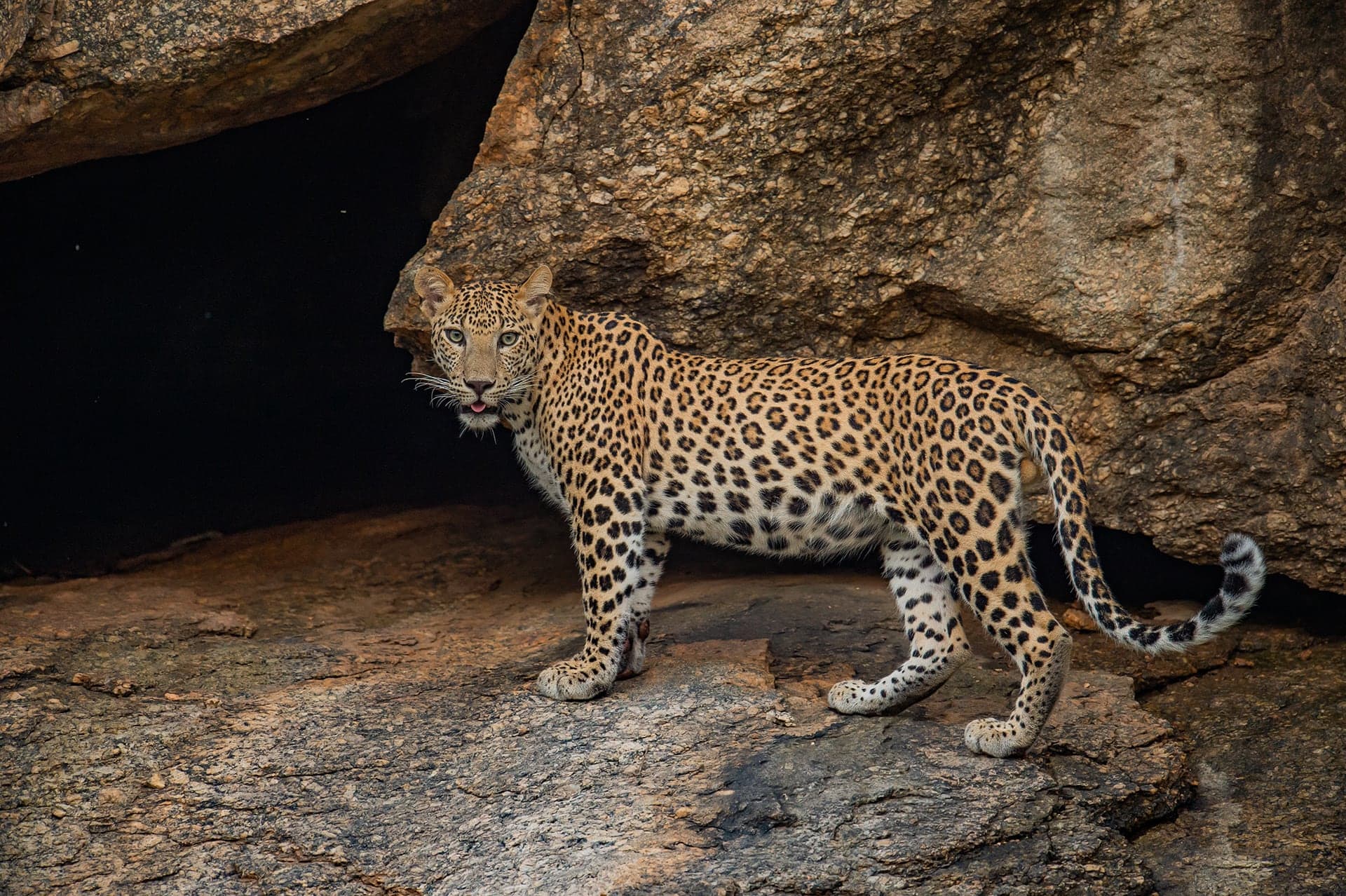
- Picturesque wildlife viewing along the evocative green banks of the Kabini river with a staggering biomass · Exceptional concentration of Asiatic elephants, gaur, sambar and chital · Frequent tiger and leopard sightings · Enchanting boat safaris with views of grazing elephants, massive marsh crocodiles, smooth-coated otters and an impressive assemblage of birds. · Southern Indian specialists such as Malabar giant squirrel, Nilgiri wood pigeon and more
- Best months
- Year-round
- Ideal duration
- 3 to 5 nights
- Getting there
- Fly to Mysuru and drive to Kabini
Introducing Kabini
A forest that keeps calling you back.
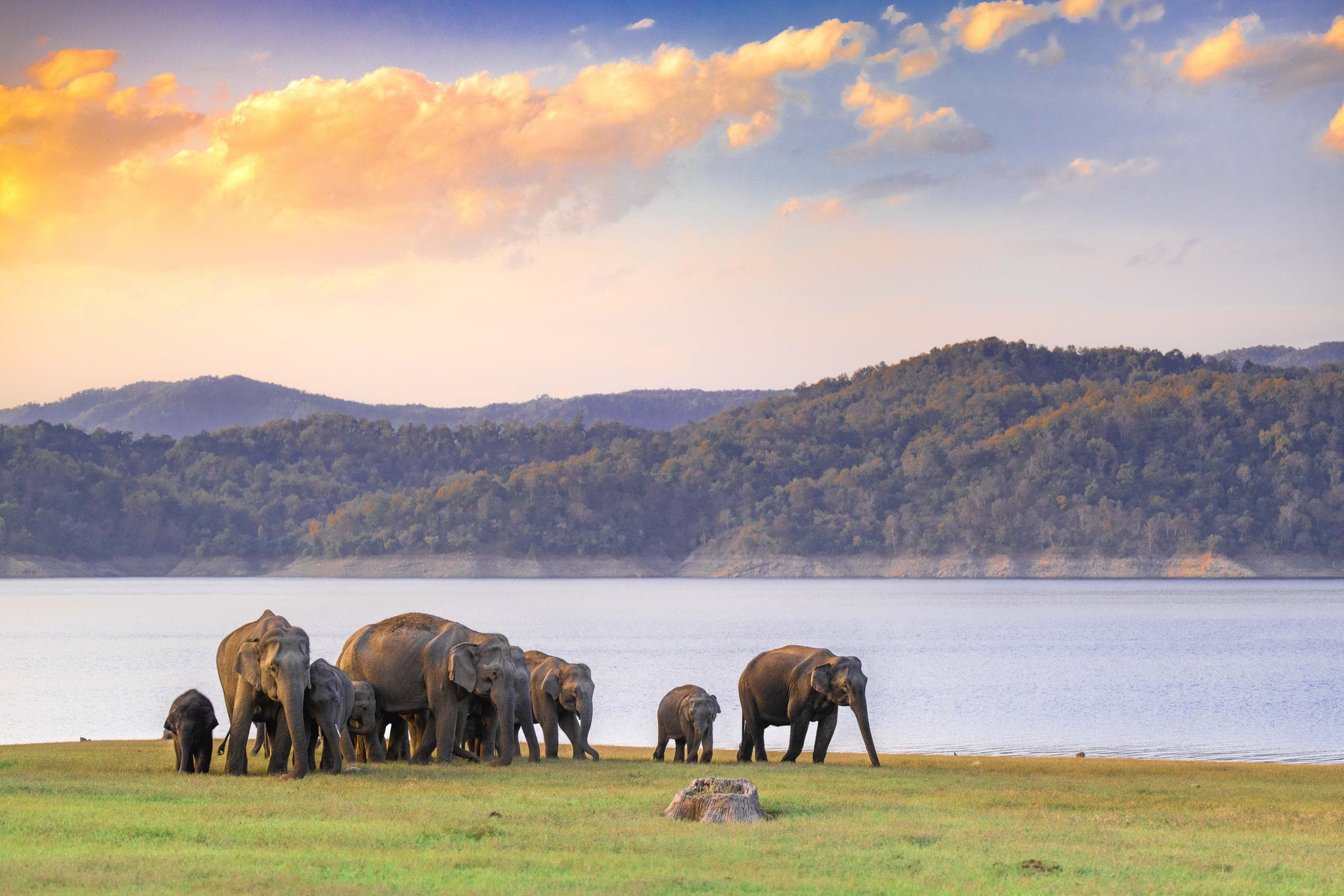
Named after the river Kapila, anglicised during the British time as Kabini, the first thing this legendary southern Indian park captivates you with is the silence. Then the water itself. The Kabini river stretches quietly beside the forest, catching the last light of the day, and some of its most popular images might come true: an elephant herd gathers along its banks, a crocodile slips beneath the surface. Somewhere in the teak or bamboo, a tiger’s stripes appears and disappears surreally. A leopard may be watching you from the shadows. This forest feels intimate. This is Kabini.
Field notes
Three ways to readKabini.
A concise field guide to the landscape, its daily rhythm and the encounters that define it.
The landscape
The water of elephants. The land of tigers. The trees of leopards. The sky of birds.
The Kabini River forms the southern edge of Nagarahole and creates one of the most iconic wildlife landscapes in southern India. It’s as if the forest itself comes down to the water, and its animals come down with it. And at sunset, the entire forest seems to gather around the fabled Kabini backwaters. And there is a specific…
Photo journal
Kabini,in frames.
Open any photograph to explore the collection in full screen.
Your private journey
Make your own Kabini plan.
Tell us what draws you here. We will shape the right season, access, pace and places into one coherent private journey.
Begin planningGood to know
Question, meet answer.
Why visit Kabini?
Because few Indian wildlife destinations combine tiger, leopard, elephant and dhole, exceptional birdlife and a spectacular riverine landscape with such a refined luxury-stay experience. Nagarahole is one of Karnataka's major tiger reserves and an important elephant landscape.
Is Kabini good for tiger sightings?
Yes! Tiger sightings have become one of Kabini's major attractions, with the forest developing a particularly strong reputation for big cats over the last decade or so. But, as always, a tiger is wild and sightings can never be guaranteed.
What makes Kabini different from Central India's tiger reserves?
The water. The Kabini backwaters transform the wildlife experience. Large elephant gatherings, riverine birdlife and boat safaris add an entirely different dimension to the forest.
Can I see leopards?
Yes. Kabini has long been particularly associated with leopards, and the forest remains one of India's celebrated places for leopard encounters.
What about the black leopard?
Kabini has become internationally known for its rare melanistic leopard. It is one of the forest's most extraordinary possible encounters, but it is never something we would promise or sell as a certainty. Let the wild surprise you.
Are elephants easy to see?
Elephants are among Kabini's great attractions, particularly around the backwaters and in the dry season. Large gatherings are possible, and the broader Nagarahole landscape is an important elephant habitat.
Is Kabini good for birding?
Very much so! The combination of forest and backwaters supports a rich bird community, including resident and migratory species.
Should I do both jeep and boat safaris?
Yes. They are fundamentally different experiences. The jeep takes you into the forest; the boat takes you to the backwaters and their shoreline. We recommend you experience both.
When is the best time to visit?
Kabini is unusually rewarding across a long season. October to May is particularly attractive for most travellers, with the dry months offering excellent visibility and wildlife activity around water. But honestly, Kabini is a destination with good sightings throughout the year.
How long should I stay?
Three to five nights. For a first visit, three nights can work. Four or five allows you to experience the forest without making the journey itself feel like a hunt for sightings.
Can I combine Kabini with Mysuru?
Absolutely! Kabini and Mysuru make a natural combination, particularly for travellers who want to bring together wildlife, heritage and the culture of southern Karnataka.
Keep exploring
Places in the sameconversation.
Extend the journey through landscapes that share a natural rhythm, wildlife story or sense of place.