- Best for
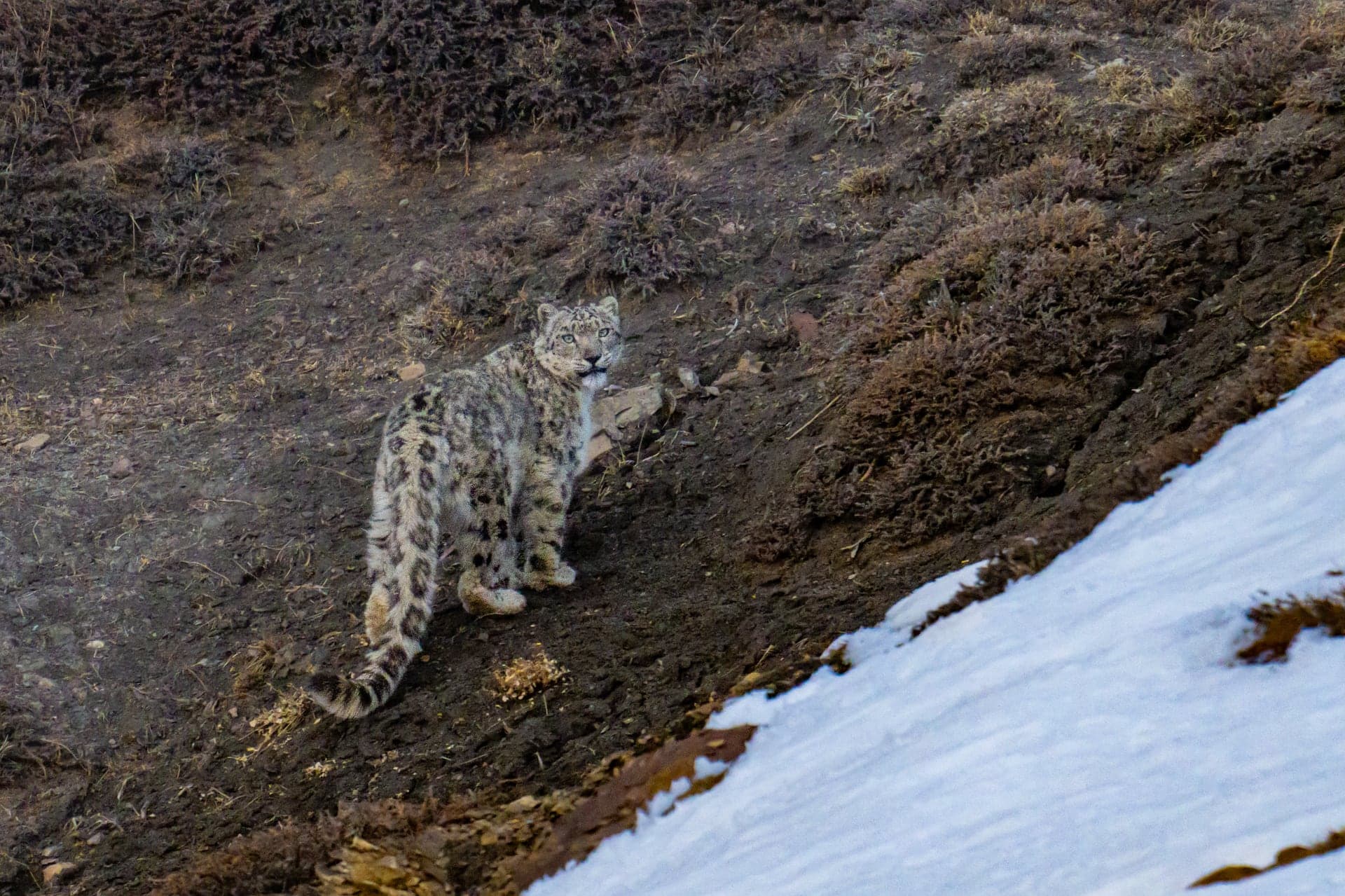
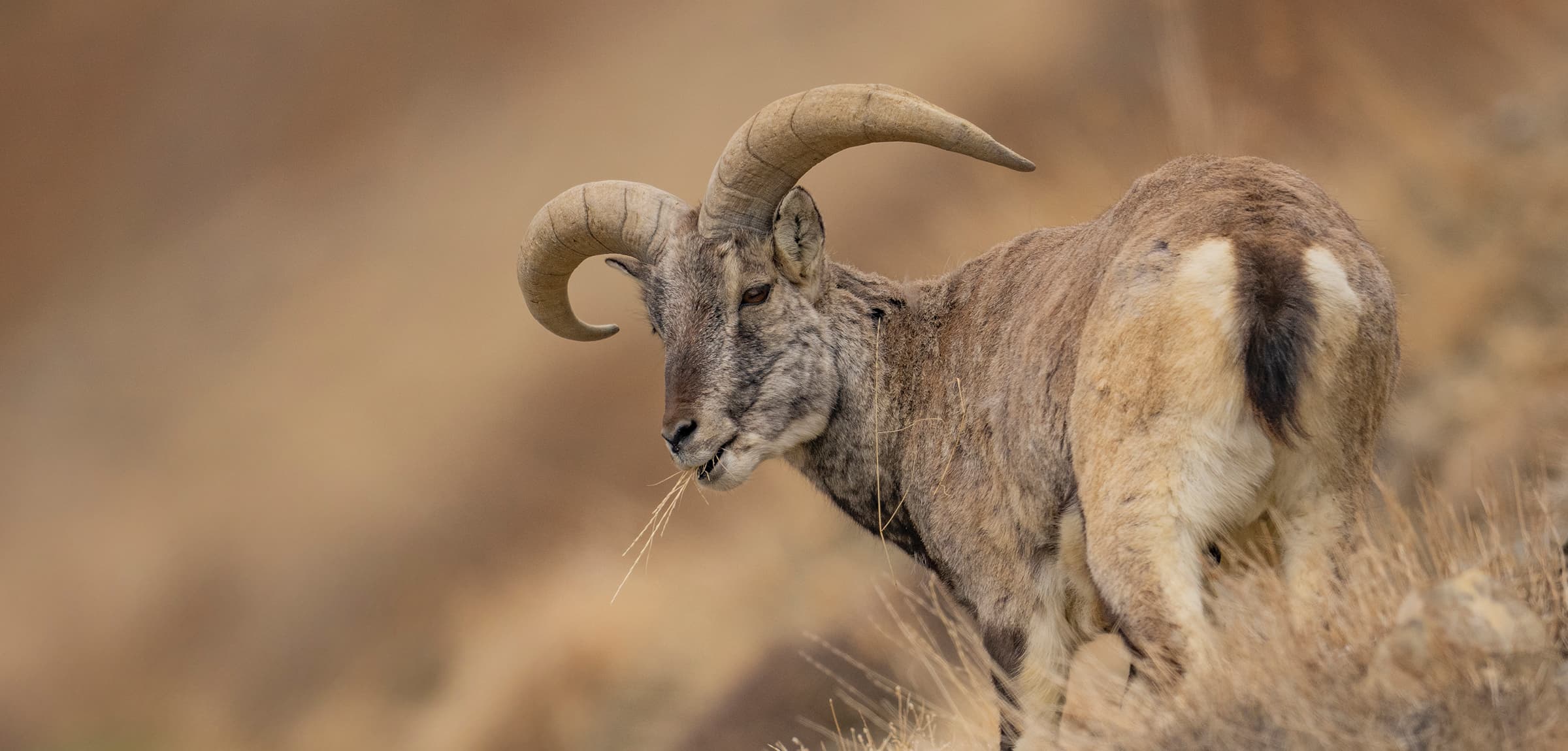
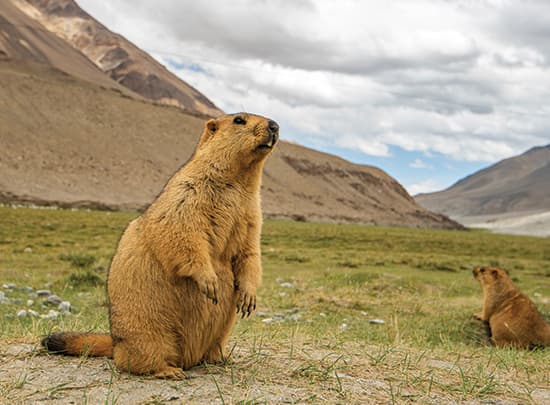
- An unforgettable adventure in the renowned Transhimalayan region of Ladakh · A chance to see and photograph high Himalayan species such as snow leopard, Pallas's cat, blue sheep, Himalayan ibex, Tibetan wolf, red fox, Himalayan marmot, black-necked crane and high-altitude birds · Beautiful habitats of Hemis, Pangong Lake and Hanle · Cultural diversions including stunning Buddhist monasteries · Utterly absorbing drives and landscape views between destinations
- Best months
- December to April for snow leopards · May to September for birds
- Ideal duration
- 10–13 nights
- Getting there
- Fly to Leh
Introducing Ladakh
Where sky meets earth.
And somewhere between them — a place we know well and dearly — roam snow leopards. Ladakh overwhelms a seeker of beauty, but as quietly and movingly as a mountain-country can. It’s as if a landscape is stripped back to its essentials, devoid of human intervention: immense mountains, blue- and turquoise-lakes, ochre valleys, whitewashed monasteries and an impossible silence that speaks to your seeker-heart.
Field notes
Three ways to readLadakh.
A concise field guide to the landscape, its daily rhythm and the encounters that define it.
The landscape
A land well above the ordinary.
Ladakh is one of not only India’s but the world's great high-altitude landscapes. The mountains here are immense and the valleys are austere. The colours are restrained in some places and surprisingly rich in others. There are bends that will lead you suddenly to a monastery or a huge fluttering prayer flag or a refreshing break that a…
Photo journal
Ladakh,in frames.
Open any photograph to explore the collection in full screen.
Your private journey
Make your own Ladakh plan.
Tell us what draws you here. We will shape the right season, access, pace and places into one coherent private journey.
Begin planningGood to know
Question, meet answer.
When is the best time to see snow leopards in Ladakh?
December to April is the principal snow leopard season, with winter generally offering the most focused wildlife experience.
How long should I spend in Ladakh?
For a dedicated snow leopard expedition, 10–13 nights allows the journey to breathe, including acclimatisation in Leh and several days in Hemis. The existing Safari Crafters itinerary follows a 13-day structure with two acclimatisation days, five days in Hemis and four days around Pangong and Hanle.
Why is acclimatisation so important?
Leh itself sits at high altitude, and the wildlife areas are higher still. A gradual transition allows the body to adjust before entering the more demanding terrain. The existing Safari Crafters itinerary deliberately allocates two days to acclimatisation before entering Hemis.
What wildlife can I see besides snow leopards?
Blue sheep, ibex, Ladakhi urial, Tibetan wolf, red fox, Himalayan marmot, mountain weasel and woolly hare are among the mammals found in the region. Hemis also supports a remarkable bird community.
What is special about Hanle?
Hanle is a remote high-altitude plateau that broadens the wildlife experience beyond Hemis. The Safari Crafters itinerary highlights opportunities for Pallas's cat and black-necked crane, alongside the solitude, landscapes and exceptional night skies of the region.
Can I visit Pangong Lake on a snow leopard expedition?
Of course! The existing Safari Crafters journey includes Pangong and Hanle after the Hemis wildlife experience, although Pangong is described as a summer-only component in that itinerary.
Is Ladakh good for birding?
Very much so. Hemis alone supports dozens of high-altitude bird species, while Changthang and its wetlands add species such as black-necked cranes and bar-headed geese. Ladakh Tourism identifies May–September as the principal birdwatching period.
Is a snow leopard guaranteed?
No. And Safari Crafters should never promise one. The animal is wild, elusive and free to move across enormous terrain. What expertise can provide is a better understanding of where and how to look—and the time and field support required to maximise the opportunity.
Keep exploring
Places in the sameconversation.
Extend the journey through landscapes that share a natural rhythm, wildlife story or sense of place.