- Best for
- Elephants · Shivalik forest · Short Himalayan extension
- Best months
- November to June; the park closes through the main monsoon period and exact zone operations are reconfirmed
- Ideal duration
- 2-3 nights, or longer when paired with Corbett and the Kumaon foothills
- Getting there
- Dehradun's Jolly Grant Airport, with road access from Dehradun, Haridwar or Rishikesh
Introducing Rajaji
A landscape with no need to perform.
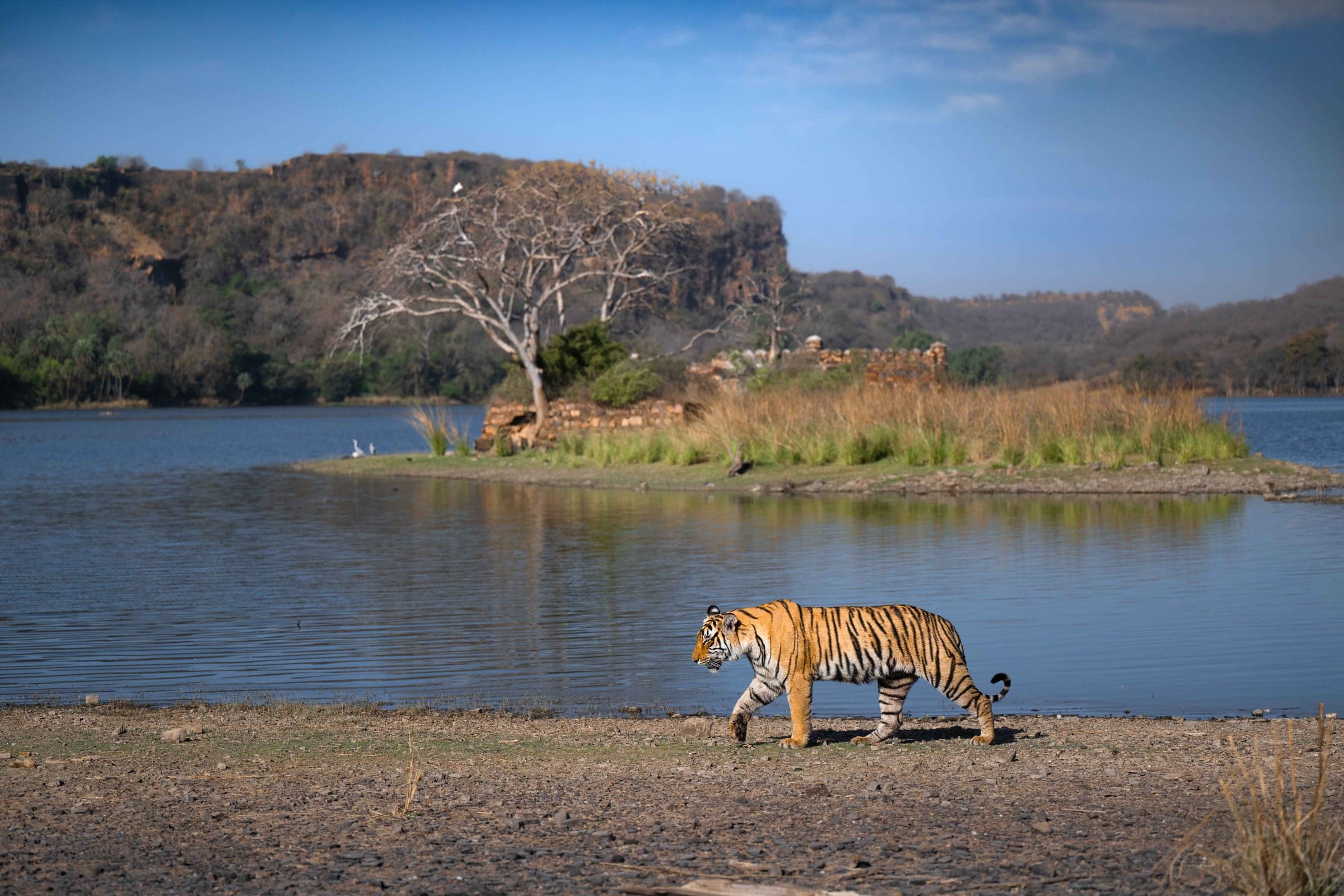
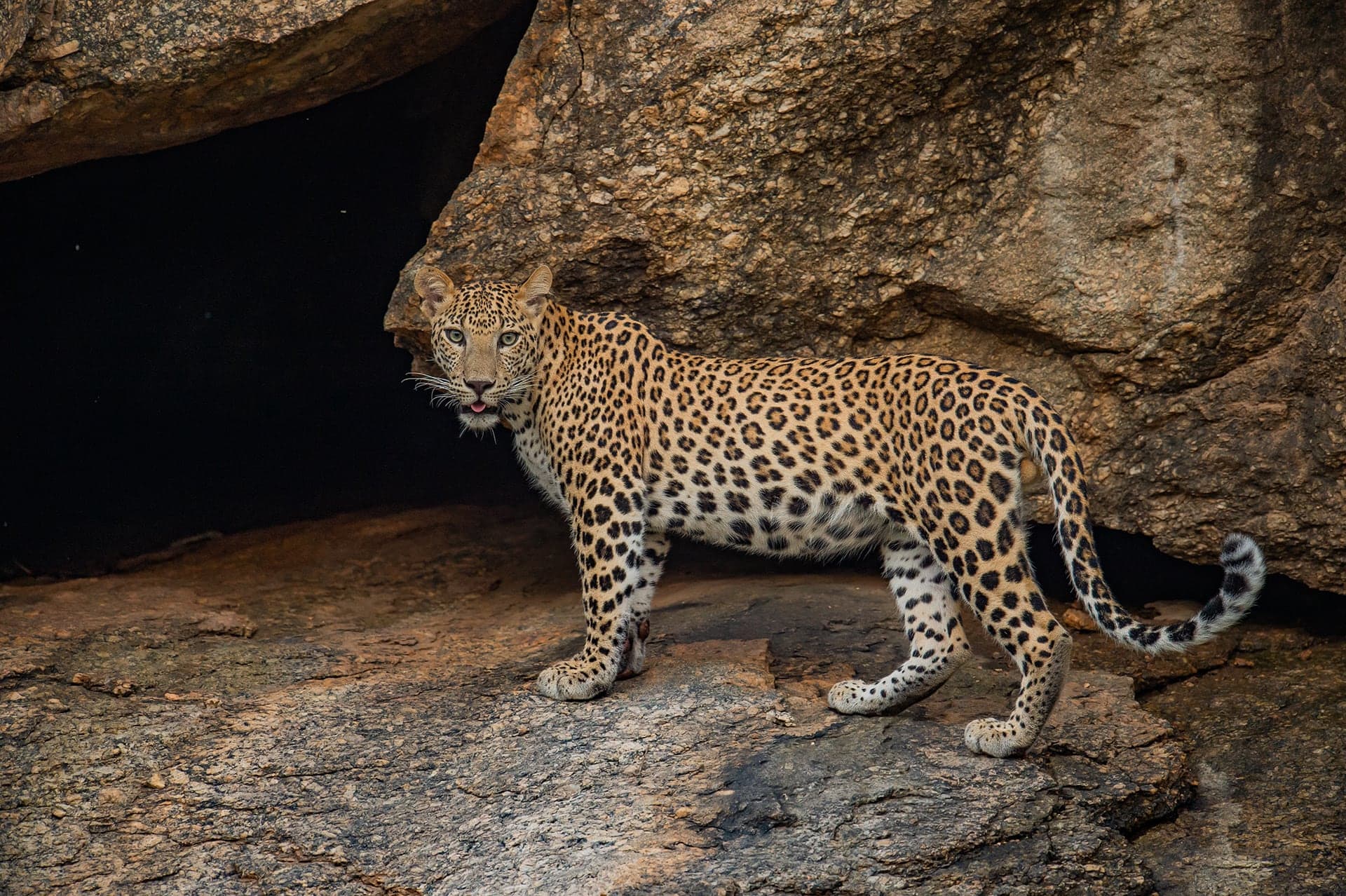
At the meeting edge of plains and hills, Rajaji Tiger Reserve settles into the landscape with quiet ease. Less frequented yet deeply important, it lies within one of India’s key ecological corridors, revealing its character gradually rather than all at once. The Terai forest moves gently across sal stands, grasslands, and riverbeds shaped by older flows of water. Pebble-strewn channels wind through the trees; tall grasses sway in the open air; clearings rest beneath wide, unbroken skies. The forest shifts in subtle ways,an elephant herd crossing without urgency, a leopard easing into cover, hornbills passing overhead with steady wingbeats. All around, a living wilderness unfolds at its own pace.
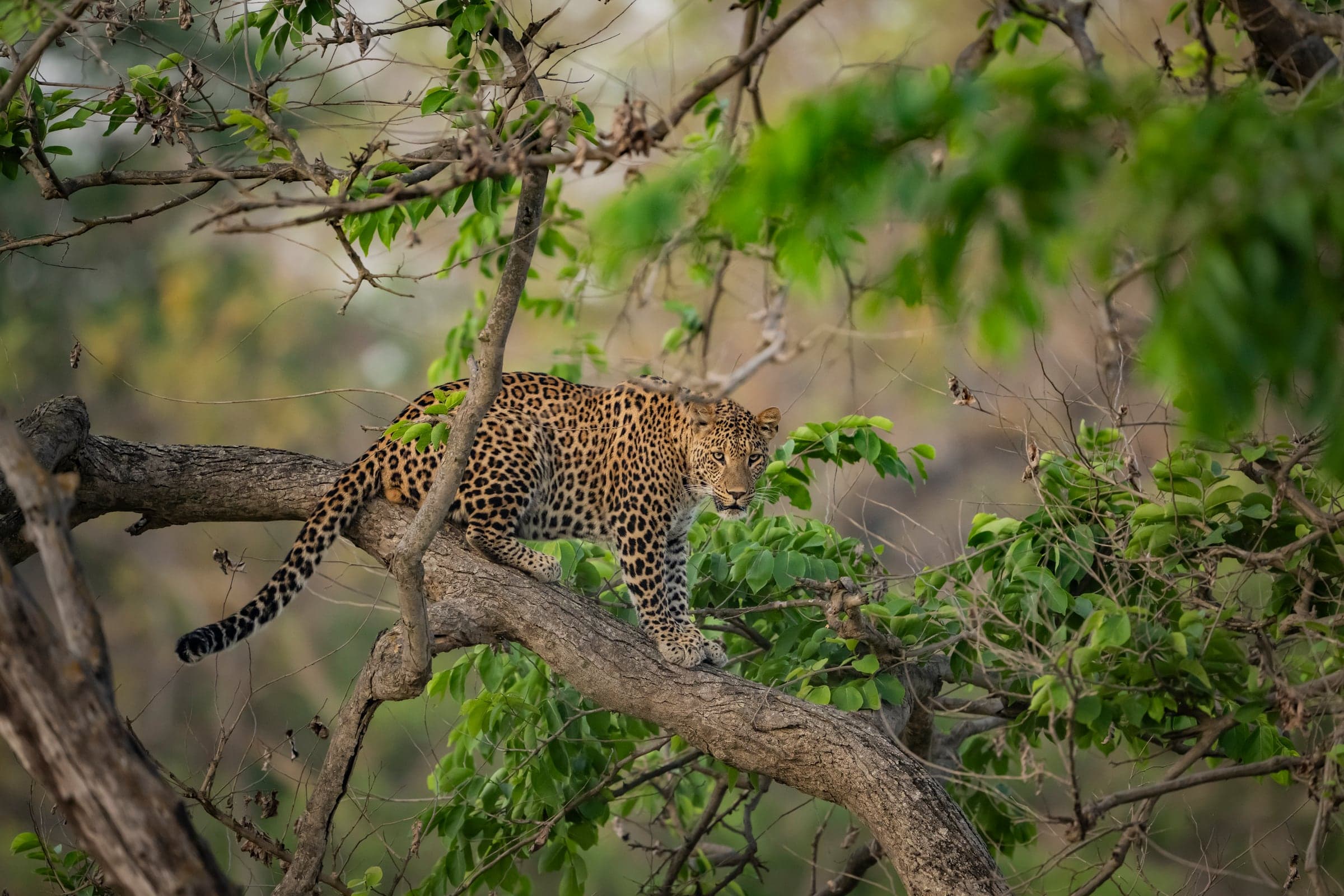
Set across the Shivalik foothills of Uttarakhand, Rajaji Tiger Reserve spans over 820 sq. km of Terai grasslands, riverine forests, and low hill sal woodlands. Formed through the consolidation of Chilla, Motichur, and Rajaji landscapes, it serves as a vital ecological link between the Ganga plains and the Himalayan foothills. While tigers remain a keystone presence, recent years have seen a notable rise in leopard activity, particularly across the Mohand Range and adjoining forest tracts. These cats move confidently through the mosaic terrain, using dry riverbeds as corridors and forest interiors where cover and prey converge. Asian elephants migrate seasonally through the reserve, accompanied by diverse ungulates and over 300 species of birds that animate the canopy and river margins.
Field notes
Three ways to readRajaji.
A concise field guide to the landscape, its daily rhythm and the encounters that define it.
The landscape
Rajaji, read slowly.
Sal forest, riverine woodland, grassland, dry riverbeds and Shivalik foothills
Photo journal
Rajaji,in frames.
Open any photograph to explore the collection in full screen.
Your private journey
Make your own Rajaji plan.
Tell us what draws you here. We will shape the right season, access, pace and places into one coherent private journey.
Begin planningGood to know
Question, meet answer.
When is the best time to visit Rajaji?
November to June; the park closes through the main monsoon period and exact zone operations are reconfirmed
How long should I stay in Rajaji?
2-3 nights, or longer when paired with Corbett and the Kumaon foothills
What wildlife defines Rajaji?
Asian elephant, tiger, leopard, goral, deer and diverse Himalayan-foothill birdlife Sightings remain wild and are never guaranteed.
How do I reach Rajaji?
Dehradun's Jolly Grant Airport, with road access from Dehradun, Haridwar or Rishikesh
What is the daily rhythm in Rajaji?
Morning and afternoon drives move between sal forest, river channels and open edges, with the day paced around current gate operations.
Keep exploring
Places in the sameconversation.
Extend the journey through landscapes that share a natural rhythm, wildlife story or sense of place.