- Best for
- Mangrove ecology · Boat-based wilderness · Conservation context
- Best months
- November to February for cooler, generally more comfortable boat exploration
- Ideal duration
- 3 nights for an unhurried boat-based understanding of the delta
- Getting there
- Kolkata, followed by road to a jetty such as Godkhali and onward travel by boat
Introducing Sunderbans
A landscape with no need to perform.
The Sundarbans are not a conventional tiger safari. They are a tidal world of mangrove islands, estuaries and shifting mudflats, part of the largest mangrove forest on Earth and a UNESCO World Heritage Site.
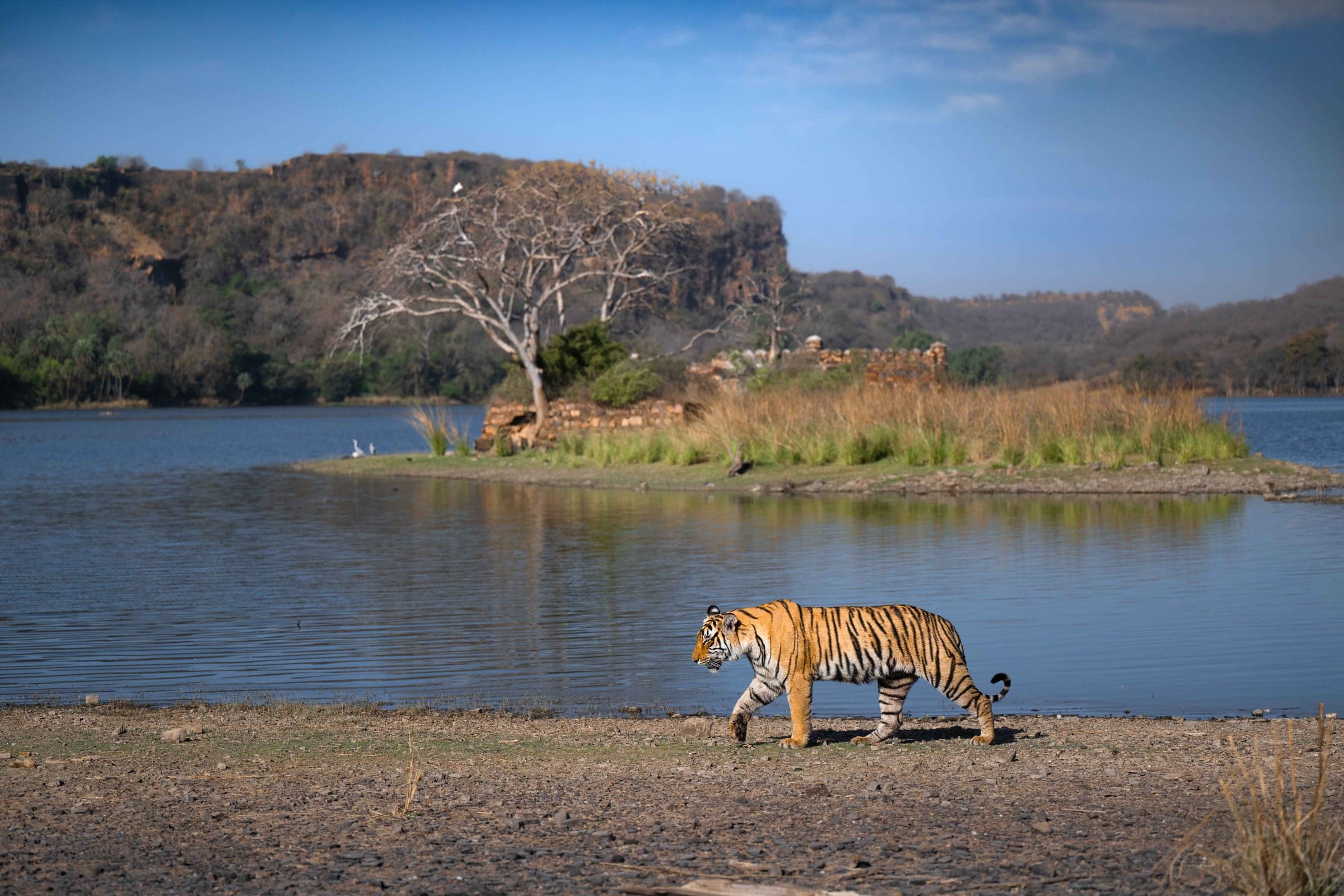
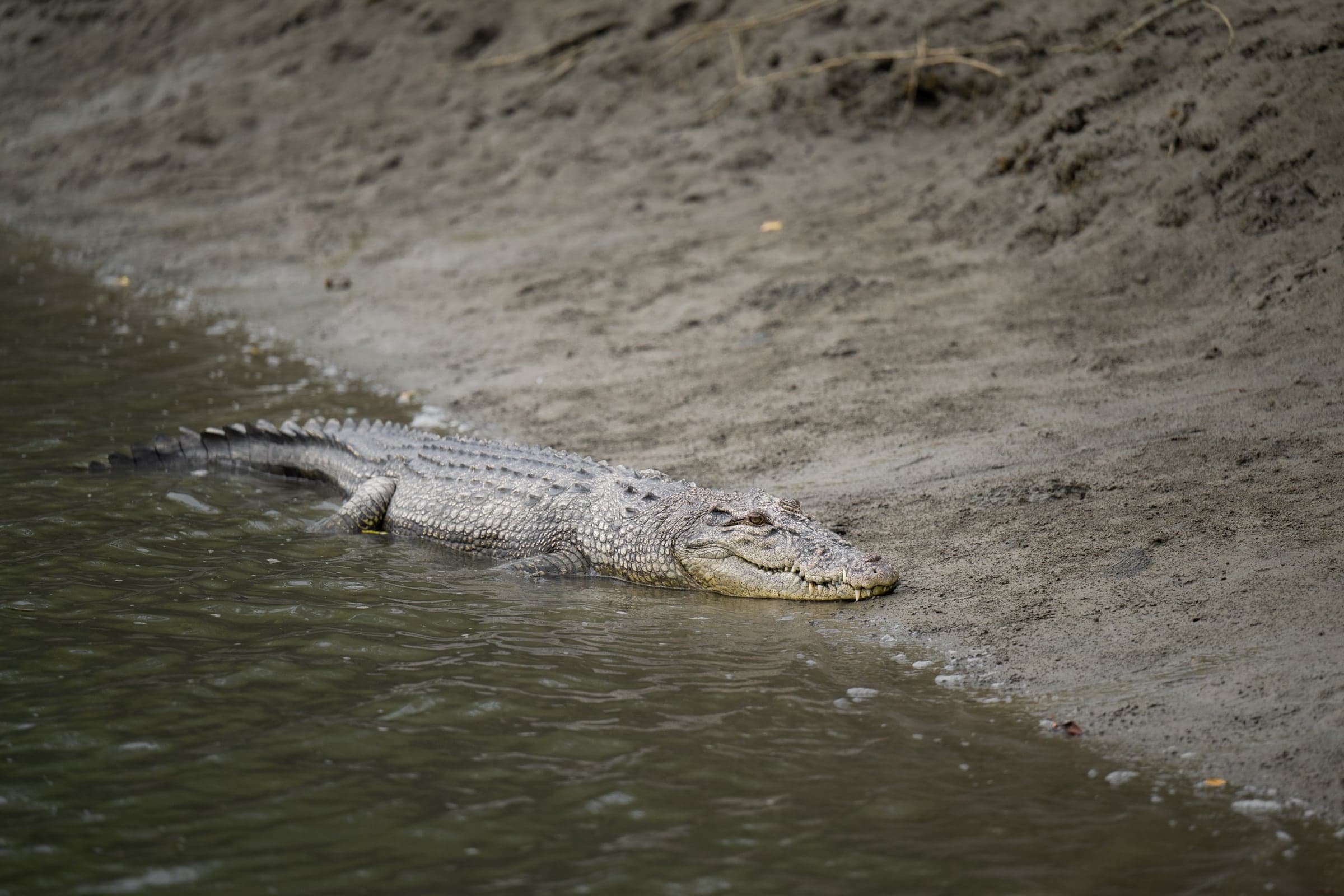
Exploration is by boat and governed by tide, weather and forest permission. Tigers are present but difficult to see; the deeper reward is understanding an ecosystem adapted to salt, flood and constant change, including dolphins, crocodiles, reptiles and waterbirds.
Field notes
Three ways to readSunderbans.
A concise field guide to the landscape, its daily rhythm and the encounters that define it.
The landscape
Sunderbans, read slowly.
Tidal mangrove forest, mudflats, creeks, estuaries and islands in the Ganges-Brahmaputra delta
Photo journal
Sunderbans,in frames.
Open any photograph to explore the collection in full screen.
Your private journey
Make your own Sunderbans plan.
Tell us what draws you here. We will shape the right season, access, pace and places into one coherent private journey.
Begin planningGood to know
Question, meet answer.
When is the best time to visit Sunderbans?
November to February for cooler, generally more comfortable boat exploration
How long should I stay in Sunderbans?
3 nights for an unhurried boat-based understanding of the delta
What wildlife and habitat define Sunderbans?
Bengal tiger, estuarine crocodile, Ganges and Irrawaddy dolphins, water monitor, king cobra, turtles and estuarine birdlife. The landscape is characterised by tidal mangrove forest, mudflats, creeks, estuaries and islands in the ganges-brahmaputra delta.
How do I reach Sunderbans?
Kolkata, followed by road to a jetty such as Godkhali and onward travel by boat. The experience is boat-led. Tide, weather, cyclone conditions and forest permissions determine routes; tiger sightings are rare and never the sole measure of the journey.
What is a typical day in Sunderbans?
Long, quiet navigation through tidal creeks with watchtower stops where permitted, timed around tide and daylight.
Keep exploring
Places in the sameconversation.
Extend the journey through landscapes that share a natural rhythm, wildlife story or sense of place.